Marvel
Marvel is an iconic company that revolutionized the entertainment industry by creating some of the most popular and recognizable characters in the world. Today, it is known for its vast universe, which includes heroes such as Spider-Man, Iron Man, Captain America, Thor, and many others.

Today, Marvel Studios is considered a leader in creating blockbuster films that consistently break records for attendance and box office revenue worldwide.
Founding | Marvel was founded in 1939 as Timely Publications by Martin Goodman. |
|---|---|
First Comic Book | The first issue, Marvel Comics #1, was published in 1939. |
Name Change | In the 1950s, Timely Publications became Atlas Comics, and in 1961 it became Marvel Comics. |
Key Figures | Stan Lee, Jack Kirby, and Steve Ditko played a major role in the company’s development and in creating iconic characters. |
Financial Crisis | In 1996, Marvel filed for bankruptcy due to financial difficulties and an oversaturated comic book market. |
Reorganization | In 1998, the company was acquired by Isaac Perlmutter and Avi Arad, leading to restructuring and financial stabilization. |
Founding of Marvel Studios | In 2000, Marvel Studios was established to produce superhero films, beginning with X-Men (2000) and Spider-Man (2002). |
Launch of the Marvel Cinematic Universe | The Marvel Cinematic Universe (MCU) was launched in 2008 with the release of Iron Man, which marked the beginning of an interconnected series of films. |
Impact of the Cinematic Universe | The MCU became one of the most successful franchises in film history, including hits such as Avengers: Endgame (2019), which became the highest-grossing film of all time. |
Expansion into Other Media | Marvel continues to expand its presence across television, video games, animation, and merchandising, producing a wide range of products and series. |

History & Timeline Of Marvel Cinematic Universe (MCU Timeline)
History of Marvel
Marvel, known today as a superhero empire, began its journey in 1939 as Timely Publications, founded by publisher Martin Goodman. Its history began at a time when comic books were becoming increasingly popular, and Goodman decided to take advantage of this opportunity by establishing a publishing company specializing in adventure stories. Timely Publications’ first release was Marvel Comics #1, which introduced characters such as the Human Torch and Namor.

Logo of the publishing house Timely Publications
In the 1950s, Timely Publications changed its name to Atlas Comics, and during this period the company continued publishing comics across a wide range of genres, from horror to science fiction. However, the real breakthrough came in 1961, when the company, by then known as Marvel Comics, released Fantastic Four #1. This issue became the starting point for the creation of the superhero universe known to modern audiences.
Marvel’s transformation into a multimedia empire began with the productive collaboration between Stan Lee and Jack Kirby, who brought iconic characters such as Spider-Man, the Hulk, Thor, Iron Man, and many others to life. Stan Lee, who began working for Timely Publications in 1939, became the face of the company and its editor-in-chief. His ability to create deep, multidimensional characters and address social issues in comics helped make Marvel unique within the comic book industry.

Marvel Comics
Key Milestones
The release of Fantastic Four in 1961 marked the beginning of the Marvel Comics era and set new standards for the genre. It was the first comic to introduce a group of superheroes who had not only superhuman abilities but also human flaws and conflicts. The success of Fantastic Four opened the door to further innovation in comics, laying the foundation for the Marvel Universe.

Marvel Editor-in-Chief Stan Lee
Following the success of Fantastic Four, Marvel continued creating new superheroes who became icons of American culture. In 1962, Spider-Man made his debut in Amazing Fantasy #15. Created by Stan Lee and Steve Ditko, the character quickly gained popularity because of his humanity and the everyday problems that teenagers around the world could relate to. Peter Parker, a boy bitten by a radioactive spider, became a symbol of the idea that superheroes could have their own personal struggles and weaknesses.

Spider-Man is one of the most popular Marvel characters
They were followed by the Hulk (Bruce Banner), who debuted in 1962, and the Avengers, who first appeared in 1963. The Avengers were Marvel’s first superhero team, bringing together Iron Man, Thor, the Hulk, and others. The team symbolized the uniting of the most powerful heroes to fight evil.
In 1963, the company introduced two more iconic characters. Iron Man, created by Stan Lee, Larry Lieber, Don Heck, and Jack Kirby, was a billionaire philanthropist who used his intelligence to create a high-tech armored suit. Thor, created by Lee, Larry Lieber, and Kirby, was a god from Norse mythology brought into the world of comics. These characters added new dimensions to the Marvel Universe by combining science and mythology.

Comic book editor Jack Kirby
At the same time, Marvel became known for its ability to incorporate social issues into its stories. Spider-Man, who constantly struggled with financial difficulties and personal loss, became one of the most popular superheroes because of his humanity. Other characters, such as Iron Man, who struggled with alcoholism, and the X-Men, who symbolized the fight against discrimination, also addressed important social issues. The company began exploring topics such as racism, war, environmental issues, and more, making its comics not only entertaining but also meaningful. This helped Marvel stand out from other publishers and secure its place in the cultural landscape of the United States. Stan Lee, Jack Kirby, and Steve Ditko played a major role in this process. Stan Lee served as the company’s creative director, while Jack Kirby and Steve Ditko were responsible for bringing the characters and stories to life visually.
Marvel in the 1990s: Crisis and Revival
In the early 1990s, Marvel found itself in a difficult financial position. The company, once a leader in the comic book industry, faced a sharp decline in sales. The reasons included an oversaturated comic book market, declining interest in traditional print publications, and insufficient investment. By the mid-1990s, Marvel had suffered significant financial losses, which eventually led the company to file for bankruptcy in 1996. This was a turning point for Marvel, forcing it to make radical changes in order to survive.
After filing for bankruptcy in 1996, Marvel began looking for ways to recover. In 1998, investor Isaac Perlmutter, together with his partner Avi Arad, acquired a controlling stake in the company. They began restructuring Marvel, changing its management and focusing on licensing its characters for film and television. This move helped stabilize the company’s financial position and laid the foundation for future growth.

Marvel CEO Isaac Perlmutter
In the 2000s, Marvel took a groundbreaking step by establishing Marvel Studios, with the aim of retaining creative control over its superhero films and gaining a larger share of the profits from their success. The move toward producing its own films eventually led to the creation of the Marvel Cinematic Universe (MCU), which became enormously successful and generated billions of dollars in revenue.
Marvel’s first successful film, X-Men, was released in 2000, followed by Spider-Man in 2002, which became a box-office hit and brought Marvel’s film properties into the spotlight. However, the real breakthrough came in 2008 with the release of Iron Man, which marked the beginning of the Marvel Cinematic Universe (MCU).

Iron Man (2008) Trailer #1 | Movieclips Classic Trailers
Marvel Studios President Kevin Feige played a key role in this project by developing a strategy to integrate characters and storylines into a single cinematic universe. This allowed Marvel to create crossovers between films and attract a broad audience.

Marvel Cinematic Universe creator Kevin Feige
Following the success of Iron Man, Marvel released a series of films that became part of the cinematic universe, including The Incredible Hulk (2008), Iron Man 2 (2010), Thor (2011), Captain America: The First Avenger (2011), and The Avengers (2012), which brought the main superheroes together as one team. This approach proved extremely successful and turned the Marvel Cinematic Universe into one of the most profitable franchises in film history.
Thanks to this success, Marvel was able to overcome the crisis of the 1990s and become a leader in the entertainment industry. Today, Marvel is part of The Walt Disney Company, which has further expanded its opportunities within the entertainment sector. With its rich history, innovation, and ability to adapt to change, Marvel continues to remain at the forefront of the entertainment industry, inspiring new generations of fans around the world.
Marvel Cinematic Universe (MCU)
The Marvel Cinematic Universe (MCU) was officially launched in 2008 with the release of Iron Man. Directed by Jon Favreau and starring Robert Downey Jr., the film became the starting point for the Marvel Cinematic Universe, in which different superheroes and storylines were integrated into a single interconnected narrative. A key feature of Iron Man was the inclusion of a post-credits scene featuring Nick Fury (Samuel L. Jackson), hinting at the future formation of the Avengers superhero team.

Jon Favreau and Downey Jr. are working on Iron Man.\
Structure of the MCU
The cinematic universe is divided into phases, each of which includes several films that develop the overall story of the universe.
- Phase One (2008–2012) includes films such as Iron Man, The Incredible Hulk, Iron Man 2, Thor, Captain America: The First Avenger, and The Avengers, and concludes with the superheroes joining forces as the Avengers to fight a common threat;
- Phase Two (2013–2015) continues to develop the story of the universe and includes Iron Man 3, Thor: The Dark World, Captain America: Civil War, Guardians of the Galaxy, Avengers: Age of Ultron, and Ant-Man. This phase focuses on character development and the introduction of new superheroes;
- Phase Three (2016–2019) was the most successful and included Captain America: The Winter Soldier, Doctor Strange, Guardians of the Galaxy Vol. 2, Spider-Man: Homecoming, Thor: Ragnarok, Black Panther, Avengers: Infinity War, Avengers: Endgame, and Spider-Man: Far From Home. At this stage, the main storyline revolves around the battle against Thanos and his quest to collect the Infinity Stones in order to destroy half of the universe.
Success of the Cinematic Universe
The cinematic universe quickly established itself as a phenomenon in the film industry, with its movies becoming known for their high box-office revenues, often exceeding one billion dollars.
One of its biggest hits was Avengers: Endgame (2019), which grossed more than $2.8 billion, making it the highest-grossing film of all time.

Marvel Studios' Avengers: Endgame - Official Trailer
The Marvel Cinematic Universe also set a high standard for the quality of its films. They are no longer just about spectacular action scenes, but also feature carefully developed stories with many complex characters and intricate plots. Marvel films have influenced other studios, which also began creating their own cinematic universes. In addition, the MCU helped popularize the concept of crossovers in cinema, where characters from different films interact within shared storylines.
Most Popular Films and Characters
Some of the most popular films in the Marvel Cinematic Universe include Iron Man (2008), Guardians of the Galaxy (2014), Captain America: Civil War (2016), Black Panther (2018), and Avengers: Endgame (2019). These films became major box-office hits and received high praise from both critics and audiences.

One of the most popular Marvel movies, Guardians of the Galaxy
Among the most popular characters are Tony Stark (Iron Man), Steve Rogers (Captain America), Thor, Bruce Banner (the Hulk), Peter Parker (Spider-Man), and T’Challa (Black Panther). These heroes have become icons of modern culture thanks to their charisma, complex personalities, and exciting adventures.

Thus, the Marvel Cinematic Universe became not only a major commercial success but also a cultural phenomenon that influenced the entertainment industry and pop culture as a whole.
Global Impact of Marvel
From the beginning of its history, Marvel has actively developed animated series and television shows to popularize its characters among a broad audience. Its first major success came with the 1966 animated series The Marvel Super Heroes, which featured characters such as Captain America, Thor, Iron Man, the Hulk, and Namor. In the 1990s, the company continued this tradition by releasing popular series such as X-Men: The Animated Series (1992–1997) and Spider-Man: The Animated Series (1994–1998), which were highly successful and helped strengthen Marvel’s position as a leading creator of superhero stories.

The 1997 X-Men animated series
In the 2000s, Marvel expanded its television presence with series such as The Avengers: Earth’s Mightiest Heroes (2010–2012), Ultimate Spider-Man (2012–2017), and Guardians of the Galaxy (2015–2019). In addition to animated series, Marvel successfully released several television shows connected to the MCU, including Agents of S.H.I.E.L.D. (2013–2020), Daredevil (2015–2018), and Jessica Jones (2015–2019), which helped expand the Marvel universe into television.
Video Games
Marvel has also made a significant contribution to the video game industry: the first games featuring Marvel characters appeared in the 1980s, followed by arcade titles such as Spider-Man: The Video Game (1991) and X-Men: Children of the Atom (1994). In the 2000s, Marvel continued releasing successful video games, including Spider-Man 2 (2004) and Marvel: Ultimate Alliance (2006).
In recent years, Marvel has collaborated with leading studios to create modern hits, such as Insomniac Games’ Marvel’s Spider-Man (2018), which received critical acclaim and achieved commercial success. Other successful games include Marvel’s Avengers (2020) by Crystal Dynamics and Marvel’s Guardians of the Galaxy (2021) by Eidos-Montréal.
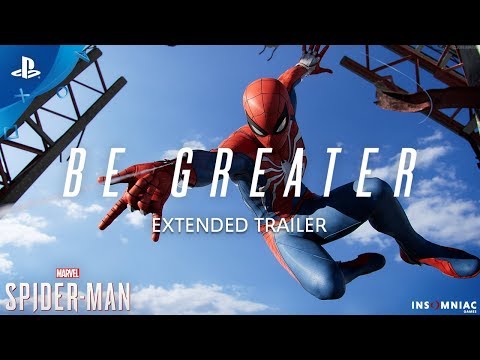
Marvel’s Spider-Man – Be Greater Extended Trailer | PS4
Comics and Graphic Novels
Despite its expansion into various media, comics remain a central part of Marvel’s business. Since the 1960s, the company has continued to release new comic book series while preserving its strongest traditions and introducing new characters and stories. Among its ongoing successful titles are The Amazing Spider-Man, Avengers, X-Men, and Black Panther.

Marvel Comics
Marvel also actively publishes graphic novels, which allow for the exploration of deeper and more complex stories. Key works include Civil War (2006–2007), House of M (2005), and The Infinity Gauntlet (1991), which served as inspiration for storylines in Marvel Cinematic Universe films.
Merchandise and Accessories
Marvel is also heavily involved in merchandising, producing a wide range of products featuring its characters and branding. Toys, clothing, accessories, and other merchandise have become an integral part of Marvel fan culture. The company collaborates with leading toy manufacturers such as Hasbro and Funko to produce collectible figures, dolls, and other toys.

Marvel is collaborating with toy manufacturer Funko
Marvel-branded clothing is also highly popular, including T-shirts, sweatshirts, hats, and other accessories. In addition, Marvel actively collaborates with various brands to create themed products such as stationery, tableware, and even household appliances. These merchandising and franchising efforts help Marvel maintain a strong connection with its fans and extend the influence of its characters into people’s everyday lives.

Clothing and various accessories featuring Marvel branding
Marvel’s Contribution to Modern Pop Culture
The Marvel Cinematic Universe has had a significant impact on modern pop culture, setting trends and shaping popular consciousness. Marvel characters have long since become part of everyday life, with their images appearing in fashion, games, video games, and other areas of culture. Marvel fans form global communities where they discuss, celebrate, and analyze films and comics, and this influence continues to spread through social media, fan conventions, and other platforms around the world.

Comic Con brings together Marvel fans
Marvel also successfully integrates its films into different cultures while maintaining authenticity and resonating with diverse audiences. Black Panther and Shang-Chi and the Legend of the Ten Rings demonstrate this by representing cultures that had previously received limited exposure in mainstream cinema. These films not only attract new audiences but also promote greater awareness of and respect for the world’s cultural diversity.
Marvel continues to be a powerful force in pop culture, influencing generations of fans and creating meaningful, emotionally resonant stories that leave a significant mark on global culture.
The Future of Marvel
Marvel Studios has ambitious plans for the future, with numerous projects set to further expand the Marvel Cinematic Universe (MCU). Among the most anticipated films and series in Phases Five and Six is Captain America: Brave New World (2025), in which Sam Wilson officially takes on the mantle of Captain America.

Captain America: Brave New World | Official Trailer
Other upcoming films include Thunderbolts (2024), which will bring together various antiheroes, Blade (2025), starring Mahershala Ali as the famous vampire hunter, The Fantastic Four: First Steps (2025), Avengers: Doomsday (2026), and Avengers: Secret Wars (2027).
New Characters and Stories
The MCU continues to introduce new characters and stories that enrich the Marvel Universe. The appearances of Riri Williams (Ironheart), Kate Bishop (Hawkeye), and new faces in the Thunderbolts team demonstrate Marvel’s commitment to representing a diverse range of characters. Marvel has also brought Robert Downey Jr. back to play Doctor Doom in Avengers: Doomsday, which is tentatively scheduled for release in May 2026.

Robert Downey Jr. Shocks Fans as Doctor Doom at Comic Con
Marvel continues to expand its influence across different media, including television series on Disney+, video games, animation, and comics. Series such as Daredevil: Born Again, Agatha: Coven of Chaos, and Secret Invasion continue to develop stories from the cinematic universe on the small screen. Marvel is also investing in new video games such as Marvel’s Spider-Man 2, further expanding the franchise’s reach within the gaming industry.
The Marvel Cinematic Universe faces many challenges, including the need to maintain a high level of content quality and attract new audiences in a changing media landscape. At the same time, Marvel has significant opportunities for further growth, including the integration of new technologies such as virtual reality and expansion into new markets.
By building on its strong foundation of characters and stories, Marvel will continue to create innovative content that engages millions of fans around the world.