Deus ex Machina
Deus Ex Machina is a well-known brand that originally started out in Australia. Amsterdam is now home to a store selling the brand's goods, and it was once home to a restaurant too.

Founded | 2006 |
|---|---|
Community | Motorcyclists, surfers, cyclists |
Founder | Dare Jennings |
Meaning of "Deus ex Machina" | Offering a solution to a seemingly unsolvable problem |
Popular Products | Motorcycles, T-shirts, jumpers, caps |
Store Address | Herenstraat 13, 1015, Amsterdam, Netherlands |
Restaurant Address (former) | Herengracht 88A, 1015 BS, Amsterdam, Netherlands |
Deus Ex Machina Store

Deus ex Machina stores around the world sell sought-after merchandise, including:
- Streetwear
- Bicycles
- Surfboards
- A wide range of accessories
Deus clothing reflects the brand's distinctive style, and the Amsterdam outlet offers a broad range at attractive prices.
Address: Herenstraat 13, 1015 BX Amsterdam
Opening hours:
- Saturday 11:00–19:00,
- Sunday 11:00–19:00,
- Monday and Tuesday closed,
- Wednesday 11:00–19:00,
- Thursday 11:00–19:00,
- Friday 11:00–19:00
Contact: +31 20 624 9635
The brand's range covers both women's and men's clothing and accessories. Let's take a closer look at some of the most popular pieces.


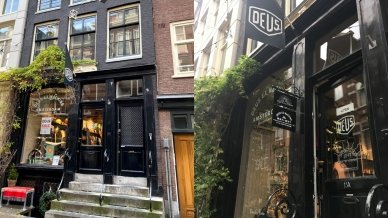
Foto's van Google Maps
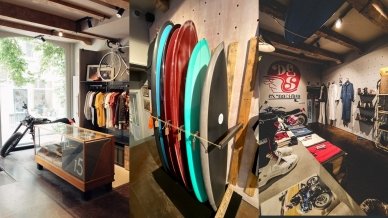
Foto's van Google Maps
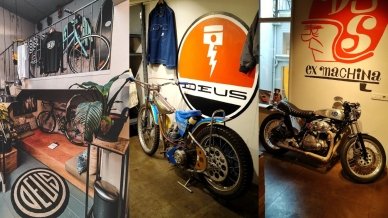
Foto's van Google Maps
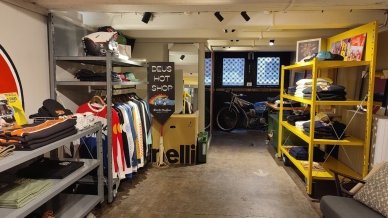
Foto van Google Maps
Deus Ex Machina T-Shirts
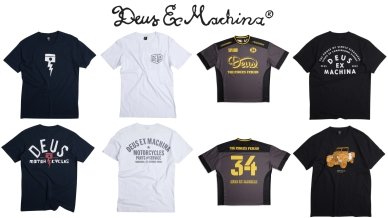
Deus ex Machina T-shirts are comfortable and practical to wear, with a signature standard cut. One of the most popular styles is the Deus Tokyo Address, made from 20/1s 190gsm cotton jersey and available in a range of colours, with white being one of the most popular. The clothing is designed and tested at the Deus House of Simple Pleasures in Camperdown, Sydney. T-shirts cost around €45–49.
Deus Ex Machina Sweaters
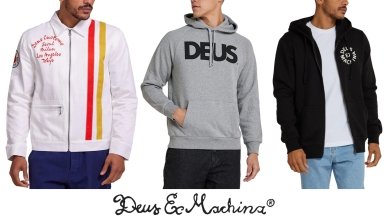
The brand's range also includes jumpers, hoodies, shirts and gilets, with prices ranging from around €25 to €252, and discounts available on many items. All the clothing is high quality, built to last, though the standout feature is really the distinctive design — pieces that make it easy to create your own style and stand out. Zip-up sweatshirts, priced at €130, are particularly popular.
Deus Ex Machina Caps
Deus ex Machina headwear is just as distinctive, incorporating the brand's signature symbols into the design. This category includes:
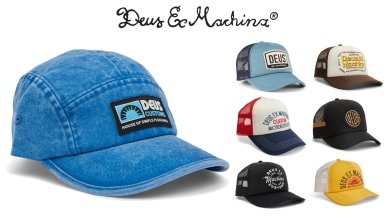
- Caps and baseball caps with logos
- Ribbed beanie hats
- Panama hats with camouflage print
Deus Ex Machina's Origins and Community Philosophy
Deus Ex Machina is something of a philosophy in itself. The brand's concept embodies many shades of enthusiasm and enjoyment — and it's this concept that's helped Deus Ex Machina win over the world, first capturing the hearts of Australians before spreading to people in other countries.
The Deus community is made up of:
- Motorcyclists
- Surfers
- Cyclists
Deus ex Machina burst onto the Australian cultural scene and shifted the mindset of the local population. It happened in 2006. Hand-built motorcycles and bicycles (customised through tuning), surfboards, converted industrial buildings — all of this is Deus ex Machina.
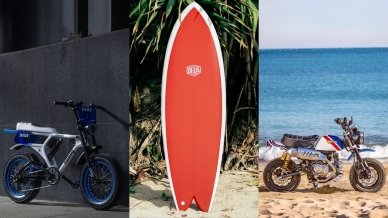
The brand is defined by its openness and enthusiasm, qualities that resonate with millions of people.
Deus doesn't just sell custom parts and hand-built motorcycles — it promotes an entire creative culture. Its showroom, headquartered in the Australian capital, displays examples of industrial art, functioning as a kind of shrine to ingenuity.
The Deus philosophy harks back to an era when hobbies like motorcycling, surfing and skateboarding were viewed as almost forbidden territory by more conservative groups.
Every member of the Deus community shares a love of working with vehicles, and the brand's postmodern concept has since spread around the world.
The Meaning of Deus Ex Machina
Deus Ex Machina — "God from the machine" — is how the phrase is generally interpreted. It refers to something that appears suddenly and offers a solution to a seemingly unsolvable problem. The term was first used in drama by the Romans and ancient Greeks, referring to a dramatic device: the appearance of a god from the heavens, an effect achieved using a crane.

In Sophocles's Philoctetes and many of Euripides's plays, the crisis is resolved through divine intervention. Since ancient times, the phrase has been used as a symbol of rescue by higher powers — a way of describing extraordinary events that brought order to prevailing chaos.
Deus Cantina Amsterdam
Deus cantina Amsterdam was located at Herengracht 88A, 1015. Major sights like the Anne Frank House and the Royal Palace were just around the corner. The location was one of the restaurant's big draws, along with its striking interior — a genuinely unique spot for Amsterdam.
The Menu
The Deus cantina menu focused mainly on plant-based and vegetarian dishes, alongside plenty of options for meat and fish lovers too.
The restaurant served vegetarian burgers, avocado fries and salads. Guests who wanted to could visit the kitchen themselves to choose their dishes as they were being prepared, and order directly from the chef. It was a spot perfectly suited to a romantic date night.
Deus cantina had everything from fine dining to street food, with dishes designed to satisfy even the most discerning of diners.
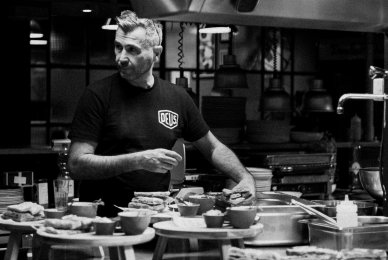
The menu was put together by chef Frank Dekker, working alongside his South African partner, Neil Roake. The pair share a passion for travel, surfing and having a good time.
They aimed to make the menu as varied as possible, featuring beef, pork, braised chicken and even fried cactus, trying to please the tastes of every visitor without exception.
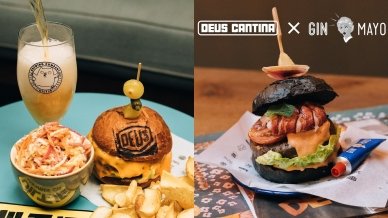
For a quick bite, they offered hearty burgers in several varieties.
Main Courses
The mains menu included dishes such as:
- Ravioli with wild mushroom truffle sauce (€16)
- Glazed carrots (€19)
- Roasted ribs with jam and rum (€19)
- Pork belly with herbs and scallops (€24.50)
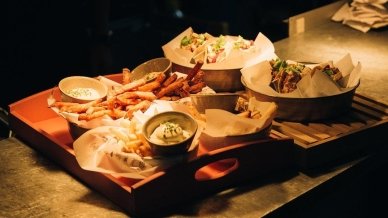
Dutch fries were a popular side dish. Some of the more unusual dishes included grey beetroot cream with nuts, and broccoli in maple sauce.
Starters
Among the appetising starters on offer:
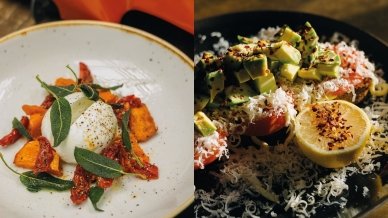
- Burrata with pumpkin cream, figs and sourdough (€12)
- Artichoke crisps (€10)
- Fried prawns with garlic, chilli and tomato sauce
- Smoked beetroot (€9)
Drinks
The drinks menu included around 10 kinds of draught beer, with hoppy brews offering a subtle bitterness that plenty of people love. The restaurant's own house beer, Deus Benzin Pilsener, was something of a house speciality.
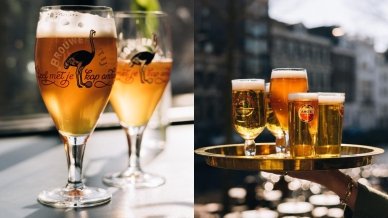
Freshly pressed juices and smoothies were also on offer, along with rose syrup and iced tea — all available to Deus cantina's visitors.
Cocktails
The cocktails at Deus cantina were something special. Bartenders skilfully mixed ingredients to create genuine masterpieces, with both alcoholic and non-alcoholic options on offer — ideal for cooling down in the summer heat.
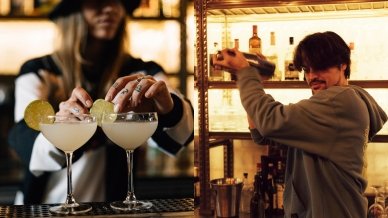
One of the most popular orders was a cocktail made with BFP gin, priced at €5.
For €9, guests could order a "Moscow Mile," made with vodka, freshly pressed lime juice and ginger syrup, or a "Mimosa," made with orange juice and Prosecco.
Events at the Restaurant
Deus cantina regularly hosted interesting events, mainly exhibitions and masterclasses, and culinary events drew plenty of extra interest — visitors could enjoy something of a gastronomic trip around the world. One of the very first events drew around 400 guests, when the venue put on a presentation of hot sauces from some of the world's biggest producers.
The weekly Sunday sessions, featuring jazz musicians from the Amsterdam Conservatory, were a particular highlight, giving guests the chance to come together, enjoy an aperitif, listen to music and have a good time.
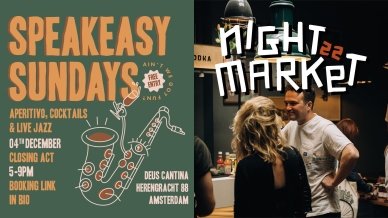
There were vegan dishes, mussel and feta stews, homemade empanadas, Deus burgers and oysters on offer.
Anyone who wanted to could join a wine tasting paired with cheese bites. Events at the restaurant were designed to introduce visitors to new flavours and unique food and drink — Dutch vodka Clusius Tulip, made from tulip bulbs, was one such example. Fans of kombucha could even try a coffee version of it. The whole thing became something of a gastronomic festival, where everyone felt at home and discovered something new.
Restaurant Deus wasn't just about food and drink — it was a gastronomic showcase in a distinctive atmosphere.
Reviews
Reviews of Deus cantina were generally positive, with visitors highlighting the restaurant's distinctive atmosphere, high standard of service and varied menu. The restaurant drew in tourists as well as locals.
"Very friendly service, good food and drink, and a really pleasant setting with a lovely view over the canal. There's food available for both meat eaters and vegans."
— Roberto S.
Why Deus Cantina Amsterdam Closed
Unfortunately, this particular subculture never quite took off in Amsterdam the way it did elsewhere. When the restaurant opened, the owners had hoped for more interest from Dutch locals. That's not to say the restaurant was empty, but it never became hugely popular either.
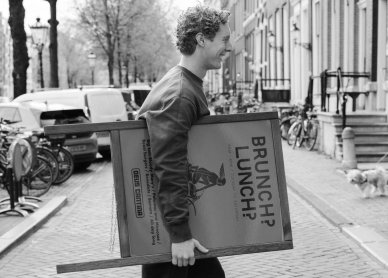
The story of the Deus ex Machina movement is a genuinely interesting one, even if it's not that widely known — and there are plenty of fascinating facts behind it.
The History and Development of the Deus Ex Machina Brand
Deus Ex Machina has carved out a real niche in clothing and lifestyle culture. Today, the brand is associated with motorcycle craftsmanship, the spirit of surfing, and free-spirited design. Its core values are inclusivity, authenticity and enthusiasm — values that have earned the brand the status it holds today.
Where Did It All Begin?
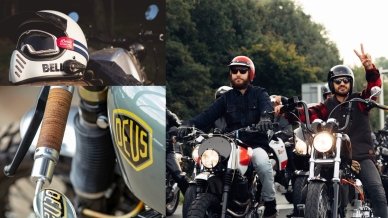
Deus Ex Machina was originally founded to produce custom motorcycles, alongside surf and equestrian gear. It also offered coffee, live music and gallery exhibitions — an unusual combination, to say the least.
Deus ex Machina has made a genuine mark on streetwear and extreme sports, promoting a radically fresh approach to surfing, motorcycling and other sports, with clothing that fits perfectly into the world of surfers, motorcyclists and skateboarders.

The company initially focused on motorcycles before developing its clothing line. Today, it brings forward-thinking fashion combined with individuality to millions of people, and works alongside major brands.
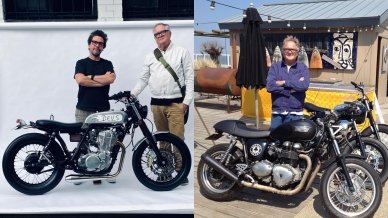
Deus ex Machina was founded by Dare Jennings, who invested the proceeds from the sale of Mambo — a well-known surfwear brand from the 1980s and 90s, first launched in 1984 — into starting the company.
Deus Ex Machina's philosophy is built around lifestyle and culture rather than product. Dare Jennings created a company that reflects his own passion and enthusiasm, while building on the success of his earlier ventures.
Dare Jennings
Later Development
After a successful launch in Australia, the brand set its sights on other countries. The company was never just about retail — it was about telling a complete story and embracing a particular culture, offering something far beyond a simple shop.
Deus Ex Machina genuinely took off, finding like-minded communities in Ibiza, Los Angeles, Milan and Biarritz. The Deus audience is made up of people who share a similarly relaxed philosophy and set of values.
The fashion range gradually expanded to include:
- Bicycles
- Cycling shorts
- Wetsuits
- Casual wear
- Minimalist lines
A careful approach to developing its collections helped drive the opening of new stores around the world.
2010–2012
In 2010, the "House" opened, bringing motorcycle enthusiasts together — like-minded people gathering to test out machines, listen to live music and enjoy some roast pork.
The Deus empire kept growing, with new stores opening around the world.
In 2011, the brand arrived on the island of Bali, opening another "Temple of Enthusiasm" in the resort town of Canggu on the south coast — just as the next wave of surf culture was reaching the coast. Bali became one of the brand's key hubs thanks to the launch of this flagship Temple of Enthusiasm concept, which went on to form the template for all later stores and locations.

In 2012, the brand set its sights on America, choosing New York for its next move, where a "Hub of Postmodern Activity" opened. A similar space soon followed in Los Angeles, near Venice Beach.
The Deus ex Machina brand breathed new life into California's surf culture. Americans could now buy custom motorcycles, custom bikes and custom artwork, with a rack of clothing, accessories and gear appearing in the Californian space.
That same year, the brand unveiled its X Reigning Champ collection, featuring fleece hoodies, balaclavas and rider jackets, along with more of the brand's distinctive style incorporating elements of vintage motorcycle leather. The trend continued after Deus partnered with Harold's Gear, a well-known Japanese manufacturer of motorcycle gloves.

2013–2014
In 2013, Deus released several footwear collaborations, partnering with an Indonesian manufacturer to add rugged buffalo-leather biker boots with slotted soles to the range.
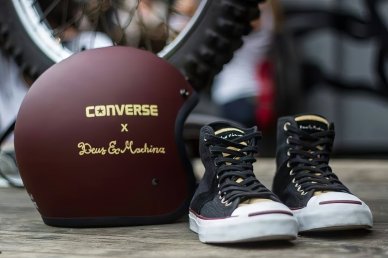
That same year also saw Deus's first collaboration with footwear brand Converse. In July 2013, the Deus Ex Machina x Converse sneakers went on sale.
In 2014, Deus moved from Milan to Japan. Italians have always had a real passion for cycling, so the country had made a fitting home for Deus's pedal-powered venture, and cycling apparel was also introduced as a result of Deus's partnership with De Marchi, one of the world's oldest cycling gear manufacturers. The joint line included clothing made from merino wool, with every piece featuring hand-embroidered logos from both companies.
2015–2016
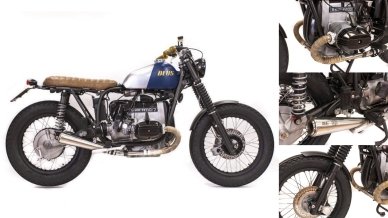
In 2015, the brand launched new collaborations across both fashion and custom motorcycles, continuing to refine its motorcycle craftsmanship with the presentation of a café racer model built to honour the legendary BMW R100.
Alongside American footwear company Oak Street, Deus launched an exclusive line of Horween boots in premium chrome leather.
A second collaboration with Raen Optics resulted in a range of California-inspired sunglasses.
In 2016, special Deus jackets and custom bicycles went on sale, with Deus partnering with Alpha Industries for the collection.
The custom bike, designed by the brand's head designer, Jeremy Tagand, was named the Onyx. The black bike, incorporating elements of both classic Japanese and European design, was the perfect option for trips to the beach, with a surfboard mount fitted to the side.
2017–2021
In 2017, Deus ex Machina underwent a change in leadership. Dare Jennings decided to sell his stake in the company, and Federico Minoli, who'd previously held senior roles at major fashion houses, took the helm.
Deus presented its Sunbleached collection, featuring jumpers, T-shirts and baseball caps perfectly suited to outdoor enthusiasts.
In 2019, the brand made its debut in South Africa, opening not just a store but a café in Cape Town too, housed in a seventeenth-century building.
In 2020, Deus announced a collaboration with New York design studio Young Jerks. The resulting "This Must Be The Place" collection, which included T-shirts, shirts, jackets and motorcycle decals, drew on the styling of the 1950s through to the 1970s.
In 2021, Deus began expanding into South America with the opening of its flagship location in Brazil. To this day, the São Paulo flagship is considered one of the brand's largest, housing a store alongside a restaurant, lounge space and rooftop event space.
Deus continued actively expanding its clothing line, going on to partner with luxury watchmaker Breitling, and it wasn't long before stylish chronometers with brown leather straps and white dials hit the market — a luxury accessory with a classic, timeless feel.

Deus's collaboration with Japanese brand Addict has also continued, with shearling jackets for motorcyclists in a Japanese retro style proving hugely popular, available in a monochrome model with a subtle print or a full-print back panel.
Deus Ex Machina knows how to work a bit of nostalgia. The brand has introduced a fresh take on casual fashion, and looks set to keep shaking up the rulebook while continuing to popularise surf and motorcycle culture. Deus remains a genuinely distinctive blend of refinement and function.