Mastercard
You probably already know what is a Mastercard, but the real question is, “What is a Mastercard and how does it work?”
The good news is that’s exactly what we’re going to look at in this article. We’ll cover how the payment network works, how it’s positioned in Ireland and what makes it different from other providers.
Along the way, you’ll learn about the different cards on offer, as well as how businesses use Mastercard at the point of checkout to fight fraud and keep shoppers safe.
Key Info: What is a Mastercard?
Authorization and Clearing on the Network
Let’s take a look at a typical payment.
When someone uses their Mastercard, data is sent from the card to the seller’s terminal, and from there to the acquiring bank. The payment processing continues as the acquirer transmits data through the Mastercard network to the issuing bank for authorization.

After the payment has been authorised, the transaction is cleared and then settled, at which point the cash is transferred over. Along the way, technologies like tokenisation and EMV 3-D Secure fight fraud and make sure that everything is legit.
Issuing and Acquiring
You can think of the Mastercard network as being like the phone line that connects the issuer and the acquirer. The issuer is the bank that provides a shopper with a card, while the acquirer is responsible for processing payments for sellers. In turn, the network connects the buyer with the seller, ensuring fairness and security for both parties.
Mastercard Ireland Acceptance for POS and E-Commerce
Apple Pay and Google Pay
Historically, these transactions took place using chip and PIN, but just like Bob Dylan said, the times they are a-changin’. These days, near field communication (NFC) powered contactless payments are the norm, and customers are used to using phone-based tap to pay systems to make their purchases. The good news for shoppers is that Mastercard Ireland supports Apple Pay and Google Pay, making shopping easier and more secure than ever before.

Retail and Online Usage
Prefer to shop online? The good news is that omni-channel acceptance is high across the board. In fact, Master Card is widely used for everything from retail shopping to paying for subscription services, booking travel tickets and hotels, and picking up bargains on smartphone apps. That broad online acceptance is also why Mastercard may appear as a payment option across many digital platforms, from streaming services and travel apps to new online casinos. You can expect widespread acceptance throughout Ireland whether online or off.
Debit, Credit, Prepaid and Gift Cards on Mastercard
Debit Cards
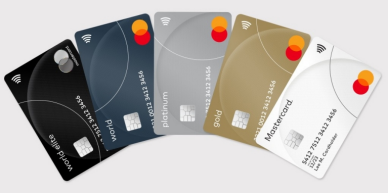
When people picture a Mastercard, they’re usually thinking about a debit card. These are the on-the-go cards that provide you with access to your current account, as well as any pre-arranged overdraft that you have. Often, you’ll also have access to budgeting tools such as the ability to set spending limits or to temporarily freeze your card.
Credit Cards
Master Card provides much more than just the basic debit cards, though. Its credit cards work like any others, providing a pre-approved borrowing limit at a pre-determined interest rate. Often, issuers also offer rewards such as cashback and other perks, as well as interest-free spending that makes its credit cards ideal for larger purchases or booking travel.
Reloadable Prepaid Mastercard Options
For those who don’t want to link up with an existing bank account, the best option is to go for a prepaid Mastercard. These essentially work on a pay-as-you go basis, allowing users to top up their balance as needed for greater control over their spending. If they haven’t added it to the card, they can’t spend it. Better yet, depending on the card, they may also be able to reduce the amount of personal information they share with merchants.
Mastercard Gift Card Availability
One final option is to look at gift cards, which come with a pre-set balance that can be used wherever a full card would be accepted. The non-reloadable nature of a Mastercard gift card makes it a popular present for holidays and birthdays, but be warned that some cards come with restrictions or require the user’s identity to be verified before they can spend any money.
Using a Virtual Mastercard
One-Time vs. Multi-Use
Like the name suggests, a virtual Mastercard doesn’t exist in a physical form. Instead, it’s issued through your banking app, which will give you a card number and CVV code that can be used as though it was the real thing. Depending on your bank or card provider, you may be able to use it multiple times, and granular controls allow you to activate security features like spending limits, merchant restrictions and more.
Use Cases: Subscriptions, Hotels and More
If you’re worried about privacy then virtual Mastercards just make sense. In fact, the best use cases revolve around online shopping and subscription services, because you can manage them separately without putting your main card and account at risk. If you’re buying something from a site that you don’t trust or from a merchant that’s likely to be targeted by cyberattacks, virtual cards can be the safest option.

3DS, SCA and Other Security Features
Authentication Tools
Mastercard uses a variety of technologies to make shopping safer, ranging from biometrics (such as fingerprint and face recognition) to one-time passwords (OTPs) and the need for approvals within a banking app for unusual purchases. Its aim is to make the process as frictionless as possible without compromising on security. The result is a higher approval rate and thus easier transactions for both shoppers and merchants.
Best Practices for Passwords and Alerts
Just because Mastercard puts the work in to actively practice fraud prevention, it doesn’t mean that you can afford to ignore it on your end. You can boost your chances of dodging a scam by only shopping on HTTPS-secured websites, setting unique passwords for each site that you use and enabling push notifications so that you know immediately whenever a transaction is processed. It’s also a good idea to keep a close eye on your bank statements, to question anything that you don’t recognise and to be careful where you save your payment information.
Fees and Limits for Credit, Debit and Prepaid Cards
Comparison of Pros and Cons
Now that we’ve covered some of the different options when it comes to obtaining a Master Card, it’s time for us to consider the pros/cons of the different options so that you’re better placed to make a decision.

The debit card is the default option, ideal for daily spending with low fees and direct access to your bank account, while the credit card is better if you need higher limits or you’re willing to trade interest and fees for rewards and convenience. There are also prepaid and gift cards for those niche cases when you need a fixed limit, typically because you’re on a budget or you’re giving someone a gift.
Mastercard Ireland for Business
Using the API to Enable Mastercard Acceptance
Business owners who want to set up their point of sale device to accept Mastercard payments can do so either through banks or PSPs (payment service providers). The good news is that because it’s one of the major networks, it’s already supported by most providers.
When it comes to accepting online payments, that’s usually done via APIs or hosted checkout pages, both of which can get a little technical but which are designed to allow more seamless transactions for shoppers. Tokens are used at checkout, meaning that sensitive card details are replaced with secure tokens during the checkout phase.
Optimising for Auth Rate at Checkout
Authorisation rate (or “auth rate”) is a measure of the percentage of transactions that have successfully gone through, which is why it’s one of the most common metrics that sellers look at. Other metrics for tracking and optimization include:
- Conversion rate: The percentage of people who go on to make a purchase
- Chargeback rate: The percentage of a seller’s transactions that are disputed and reversed by the bank
- Cost per transaction: How much it costs the company to generate each customer transaction
Mastercard IrelandIssuers
Bank Issuers and Fintech Options
You can get hold of a Mastercard from the majority of Irish banks and financial technology companies, and so the first option is to contact your current provider and to ask them what they have to offer.
Otherwise, you can generally make online applications for a Mastercard-based account and receive your card within a week or two, after completing the KYC (Know Your Customer) and AML (Anti-Money Laundering) checks. Once the onboarding has been completed, your account will be opened and your card will be shipped out to you.
Where to Buy a Prepaid Mastercard, a Virtual Mastercard or a Mastercard Gift Card
Prepaid cards and gift cards can generally be purchased from banks, retail partners and official online outlets that are supported by Mastercard. This makes their availability pretty good, but be sure to check the outlet’s reputation before you make a decision, and you’ll also want to look at fees, limits and terms and conditions. As for virtual Mastercards, they can usually be set up within your bank account if your banking provider supports them.
FAQs: Answers to Your Master Card Questions
What is a Mastercard?
Mastercard is a global payment network provider, which means they provide the link between banks, sellers and customers. However, you might know of it because of the physical debit and credit cards issued on its network, much like those of its competitor, Visa. We should also point out that Visa is another global payment network and that a Visa card is very different from a travel visa that might be provided by a government.
What are the Use Cases for Prepaid Mastercard, Virtual Mastercard and Mastercard Gift Card?
There’s no single answer to which type of card is the best one to use, because they each shine in different scenarios:
- Prepaid cards: Super useful for budgeting and controlling your spending, especially because they’re reloadable
- Virtual cards: Perfect for shopping online, especially from websites that you don’t trust or for subscriptions you might forget to cancel
- Gift cards: Mostly used for presents on birthdays and during holidays
The trick is to figure out which one works best for you.
How Wide is Mastercard Ireland Acceptance Amongst Merchants?
The short answer to this is that it’s pretty wide. You’ll find that Master Card has great coverage across Irish retailers, both online and in-store at the point of sale (POS). As one of the largest networks that operate in the country, it’s rare to find somewhere that doesn’t accept it. It also supports contactless and mobile payments, making it perfect for shopping on the go.
Summary of Mastercard and Actions to Take
By now, you should have a good idea of the different options that are out there when it comes to choosing a Mastercard, but let’s take a look at a few of the key takeaways.
Mastercard Ireland offers access to a range of cards for you to choose from through participating banks and card issuers, leaving you to decide which to use and when to use it. As for our guidance, we’d suggest using a debit card for daily use and a credit card for larger purchases or for booking travel. Prepaid cards are great for budgeting, while gift cards are perfect for birthdays and Christmas gifts.
When shopping online, use trusted websites with an HTTPS connection, enable two-factor authentication and keep an eye on your bank statements. You can also enable push notifications or shop using a virtual card.