Fendi
Fendi is an Italian fashion house founded in Rome in 1925 by husband and wife Adele and Edoardo Fendi. The company started out as a family-run leather goods shop and fur workshop. Over the following decades, the business passed to the founders' five daughters, who expanded the range, opened up new product categories and established the brand on the international market. Today, Fendi produces clothing, footwear, bags, accessories and homeware. The company is part of the LVMH group, and its headquarters sit within the historic Palazzo della Civiltà Italiana in Rome's EUR district.

The brand's boutiques operate across Europe, the United States, Japan and beyond. Across nearly a century of history, Fendi has held on to its status as a family-founded brand and remains a significant part of the Italian fashion industry.
Brand Name | Fendi |
|---|---|
Founded | 1925 |
Founders | Adele Fendi (Casagrande) and Edoardo Fendi |
Headquarters | Rome, Italy |
Parent Group | LVMH |
Industry | Luxury fashion and leather goods |
Key Products | Bags, clothing, footwear, accessories, leather goods, homeware |
Official Website | fendi.com |
The Unstoppable Rise of the Fendi Brand
Founding the Fendi Fashion House
Fendi's story began in Rome in 1925. Adele Fendi (Casagrande) and her husband, Edoardo Fendi, opened a leather goods shop and fur workshop. The couple ran the business themselves, handling orders, working directly with clients and overseeing production. Over time, the quality of the materials, attention to detail and craftsmanship-led approach helped the workshop earn the trust of clients across the Italian capital.
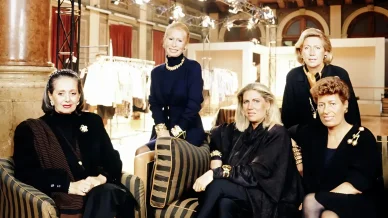
After Edoardo Fendi's death in 1954, the business was carried forward by his five daughters — Paola, Anna, Franca, Carla and Alda. Each of the Fendi sisters took on her own area of responsibility: Paola oversaw furs, Anna handled clients and sales growth, and Alda focused on cultural and social projects.
In 1965, Karl Lagerfeld joined the fashion house. His collaboration with the Fendi family lasted more than fifty years and became one of the longest-running creative partnerships in fashion history.
Following Lagerfeld's death, creative direction of the brand passed to Silvia Venturini Fendi, granddaughter of the founders, while her daughter, Delfina Delettrez Fendi, took charge of the jewellery division. Thanks to several generations of the Fendi family, the brand has held on to its Roman roots and artisanal heritage.
Growth and Entry into International Markets
The partnership with Karl Lagerfeld helped shape the brand's modern visual language. Fendi products began appearing in Europe's major fashion capitals, and later in other countries, including the United States and Japan. Expanding its boutique network allowed the company to reach new audiences and establish itself firmly within the luxury segment.
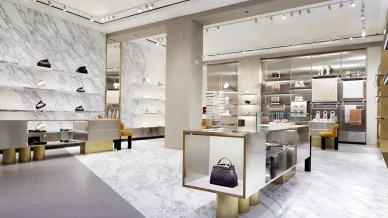
In 1999, the family brought in strategic investors. LVMH and Prada each acquired 25.5%, together taking a 51% stake in the company. The Fendi family retained a significant share and continued to be involved in running the brand. In 2001, Prada sold its stake to LVMH, giving the French group control of the company. Between 2002 and 2003, LVMH gradually increased its holding to 84%, opening up further opportunities for international growth and strengthening the brand's position in the global luxury market.
This growing international presence went hand in hand with the development of the brand's key product categories. Leather goods became increasingly popular, with bags emerging as the most important part of the range. Among collectors, vintage Fendi bags such as the Mamma Baguette (late 1990s), the Spy Bag (2005), early Baguette editions and the first Peekaboo releases are highly sought after.

Il logo della casa di moda italiana Fendi
The brand's principal symbol is the Fendi logo, used today in two main forms: the plain "FENDI" wordmark in capital letters, and the FF monogram created by Karl Lagerfeld in 1965. The FF logo has appeared in hundreds of variations over the years, with the 2018 version taking on a more angular, squared-off form.
Fendi and the Karl Lagerfeld Era
In 1965, the Fendi family brought Karl Lagerfeld on board. At the time, the brand was already well known in Italy for its fur and leather work, but it was the arrival of the German designer that marked the start of a new phase in the company's development. His collaboration with the Fendi family would go on to last more than fifty years.
One of the first major results of his work was the now-famous FF monogram logo, which stands for "Fun Fur". Initially used on fur collections, the monogram soon began appearing on bags, accessories, clothing and the brand's advertising campaigns.
I drew the two Fs in under five seconds, and that's how the FF logo came about
Under Karl Lagerfeld's direction, the company steadily broadened its stylistic vision. The designer worked extensively with fur, experimented with new material techniques, and helped bring the collections into a more modern era. The growth of the accessories division was a major part of this period.
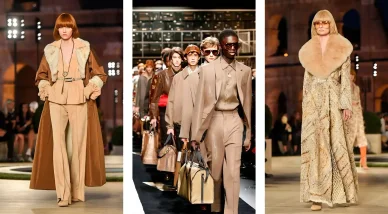
In 1997, Silvia Venturini Fendi introduced the Fendi Baguette bag, which went on to become one of the brand's most iconic pieces. Thanks to its compact shape and the way it could be carried tucked under the arm, the model was named the Baguette, in reference to the French loaf. It was later produced in hundreds of variations and became one of the most successful accessories in fashion history. Today, vintage Fendi Baguettes — particularly early versions produced in the late 1990s and early 2000s — generate strong interest among collectors.
Present-Day Leadership and the Fendi Family
Despite the brand joining the LVMH group, the company's ties to the founding family remain. Silvia Venturini Fendi, daughter of Anna Fendi, spent more than thirty years shaping the house's creative direction and played a key role in the creation of many of its iconic collections and accessories.
In September 2025, she stepped down as creative director, and from 1 October took on the role of Honorary President of Fendi. The family's involvement continues through Delfina Delettrez Fendi, Silvia Venturini's daughter, who has served as artistic director of Fendi's jewellery division since 2021 and is responsible for developing the brand's jewellery collections.
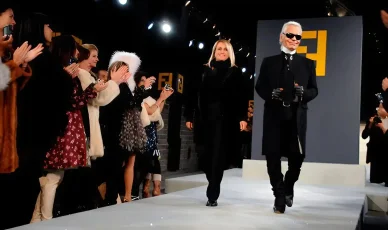
From 14 October 2025, creative direction of the house has been led by Maria Grazia Chiuri, appointed Chief Creative Officer of Fendi. While not a member of the Fendi family, she previously worked on the brand's accessories and was involved in developing the famous Baguette bag alongside Silvia Venturini.
The Fendi Baguette: An Iconic Bag
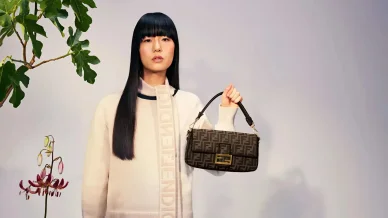
The Baguette was introduced in 1997 at the initiative of Silvia Venturini Fendi. Its name comes from the way it was meant to be worn — tucked under the arm, like a French baguette. Its compact size, short shoulder strap and the sheer number of finishes it came in quickly made the model a favourite with both customers and the fashion press.
The Baguette's popularity peaked in the late 1990s and early 2000s. Over the following years, the brand produced hundreds of versions of the bag in leather, denim, embroidered fabric, fur and rare materials.
The bag gained particular attention after appearing in the hit series Sex and the City, worn by lead character Carrie Bradshaw.
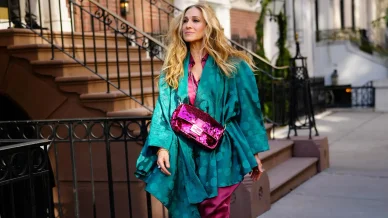
A larger version, the Mamma Baguette, was also introduced, distinguished by its softer shape and bigger size — it quickly became one of the brand's most in-demand models.

Mamma Baguette Fendi
Interest in the Baguette surged again in the late 2010s, riding the wave of renewed popularity for late-1990s fashion. On the vintage accessories market, early versions of the Fendi Baguette, produced in the collection's first years, are especially sought after. Many are now considered collector's items and are sold through auction houses and specialist platforms.
Fendi Accessories and Product Range
Fendi produces a wide range of products: clothing, footwear, bags, accessories, jewellery and homeware.
Bags and Leather Goods
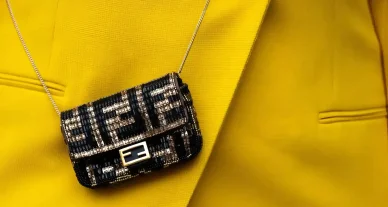
Bags are one of the brand's core categories. Collections include both classic models and new pieces created for each season, with the Baguette and Peekaboo standing out as the most recognisable. The brand also offers more compact styles, including clutches, designed for both everyday use and evening wear. Pieces are decorated with the FF monogram and other design elements characteristic of the brand.
Much like Bottega Veneta bags, Fendi's are prized for their high level of craftsmanship and attention to detail, while still expressing a distinct stylistic identity of their own.
Belts and Accessories
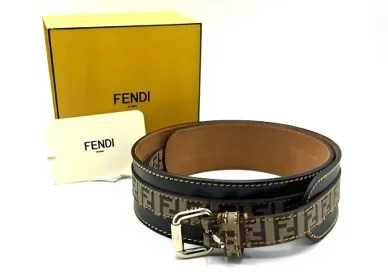
Beyond bags, Fendi produces dozens of leather accessories. Belts, wallets, cardholders and small travel accessories appear regularly in its collections. Fendi belts are often part of the looks the brand presents on the runway, so many designs echo the details of each season's collections.
Fabric pieces occupy their own space in the range too. Over the years, silk scarves, shawls and other pieces featuring the brand's signature FF monogram have appeared in its collections. For summer, the brand also produces beachwear and swimwear, including men's swim shorts.
Eyewear
The brand also has its own eyewear line, offering both everyday frames and sunglasses. Fendi's eyewear designs favour oversized shapes, bold details and the brand's recognisable symbols, with many pieces created to complement each season's clothing collections.

Footwear
Under the Fendi name, the brand produces trainers, boots, loafers, sandals and classic shoes. In both the men's and women's collections, Fendi footwear echoes the accessories from the same season. Men's shoes typically feature the FF monogram, structured leather and contrasting details that also appear across other parts of the brand's range.

The Brand's Most Popular Collections
Over its hundred-year history, Fendi has produced numerous collections that are still remembered years after they first debuted. Many were unveiled at Milan Fashion Week, though several went well beyond the format of a standard seasonal show.
Among the brand's most notable collections and projects:
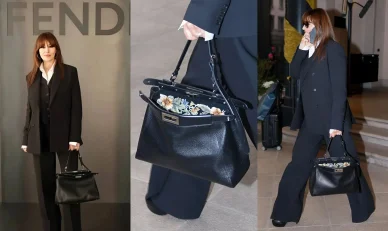
- Fendi Peekaboo. A line of bags introduced in 2009. The bag takes its name from its construction, which allows a glimpse of the interior compartment. Over time, it's become one of the most recognisable models in the brand's history.
- Legends and Fairy Tales. A Karl Lagerfeld collection presented in 2016 to mark Fendi's 90th anniversary. The show was staged right in front of the Trevi Fountain in Rome, with the collection itself drawing on fairy tales and ancient legends.
- Baguette 25th Anniversary. A return to one of the brand's most famous bags. For the anniversary, the company produced new versions of the model and gathered archival material charting its history.
- The Fendi and Versace Project. A joint collection called Fendace appeared in 2021. Rather than a conventional collaboration, the two fashion houses swapped design codes and created collections for one another.

Fendi Casa and the Brand's Expansion
Homeware entered Fendi's story much later than clothing and accessories. The Fendi Casa division launched in the late 1980s in partnership with Luxury Living Group. The first collections included sofas, armchairs and furnishings designed in the brand's signature style.
The range has since expanded considerably. Today, the Fendi name covers homeware, furniture, lighting and decorative accessories. In 2021, development of Fendi Casa was taken over by Design Holding.

Fendi products can be purchased in a number of ways:
- At Fendi boutiques in Rome, Milan, Paris, New York, Tokyo and other cities
- At luxury department stores and multi-brand retailers
- Through the official Fendi website
- Via authorised online retailers that stock the brand
- At outlet stores and shops selling past collections, where outlet-priced Fendi bags and archival pieces can sometimes be found
Recognition and Global Popularity
Fendi's history has long extended beyond fashion. The company has collaborated with the film industry on several occasions, contributing costumes for Once Upon a Time in America, Evita and The Royal Tenenbaums.
In the 1970s, the brand's pieces were used on screen by directors including Luchino Visconti, Federico Fellini, Franco Zeffirelli and Mauro Bolognini. Over the years, the brand's notable clients have included Sophia Loren, Diana Ross, Jacqueline Kennedy Onassis, Liza Minnelli and Monica Bellucci.
Today, Fendi operates on the international stage, maintaining its presence across fashion, homeware, accessories and jewellery. The company has evolved many times alongside the industry, but the Fendi name remains closely tied to Rome and to the family who founded it in 1925.
Social Media