Dublin Zoo
Welcome to one of the oldest and most visited tourist attractions in the whole of Ireland. We’re talking, of course, about Dublin Zoo. Based in Phoenix Park, Dublin, the zoo was established all the way back in 1831 and is rapidly heading towards its 200th birthday. Since its 19th-century founding, the facility has evolved from being a traditional zoological facility to being one of the top locations for a family day out, bringing in over a million visitors every year.
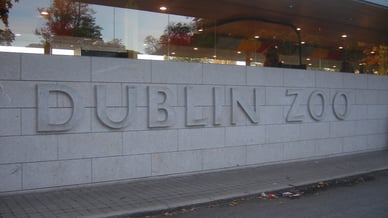
As a result, it’s a fascinating hybrid between a tourist attraction and a global conservation hub, playing a vital role in protecting the Irish wildlife that calls the Emerald Isle home. During your zoo Dublin visit, you can expect to see more than 400 different animals representing a diverse mix of species from all over the world, ranging from Asian elephants to giraffes, southern white rhinoceri and western lowland gorillas.
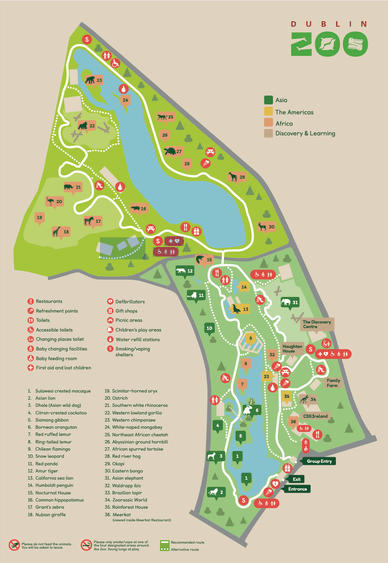
Let’s take a look at everything you need to know about the zoo Dublin is famous for, especially if you’re planning a visit. Be warned, though, that we’d recommend booking your tickets online if possible, especially if you plan on visiting during peak times such as on the weekend or during the school holidays. You can often save a little cash by doing so, too.
- Dublin Zoo
- Phoenix park, Saint James, Dublin, D08 AC98


The Zoo’s 200 Year History

Dublin Zoo was founded on May 10th 1830 alongside the establishment of the Zoological Society of Dublin, and it officially opened its gates to the public on September 1st 1831. Back then, it was situated on just four acres, which seems almost insignificant when compared to the 28 hectares it covers today.
In 1838, the organisation was given the “Royal” prefix to mark the coronation of Queen Victoria, and it used the opportunity to change its name to the Royal Zoological Society of Ireland. From there, it went from strength to strength, building an impressive reputation as one of the oldest zoos in the world and making zoo history Ireland could be proud of.
The zoo itself is known for all sorts of fun facts, such as the fact that the MGM lion from the motion picture company’s iconic opening sequence was born at DublinZoo.
The Animals You Can See at the Zoo
The Dublin Zoo animals are divided into different wildlife zones depending on their natural habitats. The habitats Dublin Zoo has to offer are specifically designed to reflect life in the wild as much as possible, with everything from endangered species to perennial favourites finding homes that are just like they’d enjoy in their natural environment.

Some of the most popular zones include the African Savanna, the World of Primates, the World of Cats, the Fringes of the Arctic and Family Farm. The clue is in the name for most of these, but there’s also plenty of information on-site if you’re looking for a specific animal.
With over 400 zoo animals, Ireland is proud to share Dublin Zoo with the world, and there’s a little something on offer for everyone. At the same time, don’t think that it’s just about entertainment and selling tickets. Throughout its long history, the zoo has consistently put the welfare of its animals first at all times.
The Africa Zone
The African Plains Dublin Zoo offers up are the largest single section of the zoo, providing a home for the Dublin Zoo animals that would normally be found throughout the African continent. It’s not just the sheer size of this area that’s so impressive, though. Like everywhere in the zoo, it’s the animals that make the Savanna enclosure so popular.
You can expect to see giraffes, rhinos, African wild dogs, zebras and more, all based in an open landscape that mimics their natural habitat. This means that you get to see them acting how they would if you were fortunate enough to catch them in the wild.
As a result, this is a must-see for first-time visitors to the zoo, and you might even want to make it your first stop. This is particularly true because it closes half an hour before the rest of the zoo, and so if you leave it too late then you risk being disappointed.
Orangutans and Other Endangered Species
The Dublin Zoo orangutan habitat, known as the Orangutan Forest, is home to Bornean orangutans, while other areas of the zoo house endangered primates including gorillas and chimpanzees. The zoo is also known for its Golden Lion Tamarin conservation programme, which has been ongoing since 2000. This is a great example of the organisation’s commitment to conservation, because the Tamarins are listed as endangered on the IUCN Red List with fewer than 4,800 left in the wild.
And there’s plenty more to see here too, from okapi and Asian turtles to the red panda Dublin Zoo is home to. Many of these animals are also part of the dozens of EEP programme breeding plans that the zoo supports. The goal is to make sure that these animals are still around for generations to come, and potentially even to reintroduce some of them to the wild if the numbers climb high enough.
These programmes are particularly interesting because it’s not just something that the zoo does by itself. Instead, it’s a coordinated effort by zoos throughout Europe, meaning that if you visit the World of Primates, you can learn so much more than just about the animals themselves. You can also get a real insight into what humanity is doing to protect and preserve them.
Getting to Dublin Zoo
The Dublin Zoo Entrance can be found inside Phoenix Park in Dublin 8, which is one of the biggest enclosed public parks in the whole of Europe. The good news is that the Phoenix Park entrance is super easy to get to from central Dublin, and you can look up Dublin Zoo directions from anywhere in the city.
Its central location also means that you can figure out how to get to Dublin Zoo whether you’re travelling there in a car, on public transport, or even on foot. The parking situation at Dublin Zoo isn’t too bad, either. There’s free parking nearby, but bear in mind that it can be tricky to find a space if you’re visiting during busy periods.
In terms of public transport, you can take your pick from a number of routes including the 11, 11B, 38, 38a, 39, 70, 80, 99, C5 and C6. You can also travel by train thanks to the nearby Dublin Heuston station. No matter how you travel in, you can rest assured that you’ll be able to find your way to the zoo Dublin is famous for. Its main entrance is clearly signposted as soon as you start to get close.
Entry Tickets at Dublin Zoo
When it comes to Dublin Zoo prices, there’s good news galore. That’s because there are a number of options available, including the family ticket, the adult ticket and the child ticket. Savvy visitors can get the lowest Dublin Zoo ticket price possible by identifying the most affordable combination.
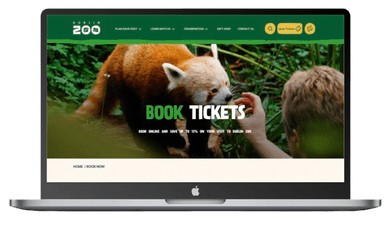
We also recommend online booking, because that can help you to skip the queues and guarantee your entry, often at a lower price than you’d expect to pay if you bought your tickets on the day. If you plan to make multiple visits then you might also be able to save money on the zoo prices Dublin visitors normally pay by picking up a season ticket.
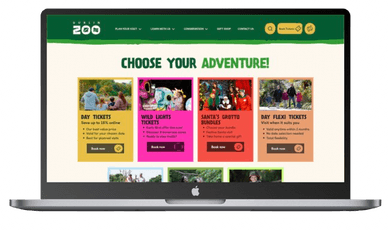
Breakdown of Ticket Options
Since it’s one of the most popular tourist destinations in Ireland, you might expect Dublin Zoo prices to be through the roof. You might be pleasantly surprised, though.

The admission fee Dublin Zoo charges is subject to change and can fluctuate from one visit to the next, but you can expect to pay around €26.50 for a full-price adult ticket and around €20 for children under the age of 16. Children under three can enter for free, while a family pass (two adults and two children) comes to around €75. Expect to pay more for special events like Wild Lights, the zoo lights Dublin visitors can enjoy in winter.
As always, it’s a good idea to check the official website for their latest rates, and to book online where you can to keep costs and queues down. If you’re looking specifically for cheap Dublin Zoo tickets then be sure to keep your eyes on the deal sites or consider taking out an annual membership. That will cost more up front, but it can save you a ton of money in the long run, with each subsequent visit bringing the average cost down.
Seasonal Events at Dublin Zoo
The zoo lights Dublin hosts during Wild Lights are perhaps the most famous seasonal attraction in the whole of the city, and they put the zoo on the map as much as any tourist attraction,casino or stadium. Taking place as part of the Dublin Zoo Christmas celebrations, it sees the iconic attraction become the foremost illuminated zoo Ireland has to offer.
We’re talking about Dublin Zoo after dark, an already magical place becoming even more magical thanks to everything from colourful lighting installations to eye-catching displays and in-person entertainment. The result is the best winter event Dublin has to offer, and one that’s suitable for visitors of all ages.
Typically running throughout November and December, Wild Lights brings in huge crowds from throughout Ireland and beyond, making advance booking even more essential. It’s well worth doing, because you’ll get to see the zoo looking very different to how it normally does, although you’re unlikely to see the animals during the event.
Better still, the unique festive atmosphere is suitable for everyone, and it’s not uncommon to see both families and groups of co-workers on office Christmas outings standing shoulder to shoulder and taking in the sights.
How Dublin Zoo Participates in Conservation
We’ve already mentioned that DublinZoo takes part in a huge amount of conservation. Let’s take a look at just how much conservation we’re talking about.
Dublin Zoo is one of the largest hubs for conservation Ireland has to offer, with the zoo funding 30 projects throughout the world and participating in more than 35 European Endangered Species Programmes (EEPs) alongside the European Association of Zoos and Aquaria (EAZA). The goal here is to facilitate wildlife protection and endangered species breeding to ensure the long-term survival of some of the most threatened animals on the planet.
Back in March 2025, Dublin Zoo signed a Memorandum of Understanding with Ireland’s National Parks and Wildlife Service (NPWS), which further underlines its commitment to cooperate with other agencies in the name of conservation. Over the last fifteen years, it’s also invested over €50,000 to protect Irish peatlands, areas which are super important for the local wildlife and which also help to store carbon.
And we haven’t even mentioned their work with everything from bat rehabilitation to seal rescue, as well as the fact that the zoo tends to specialise in protecting and recovering native species. Without Dublin Zoo, the natural world would be missing a vital ally.
Tips and Practical Information for Visitors
By now, you’re probably sold on the idea of paying a visit to the zoo Dublin is famous for. That just leaves us with the practical stuff to tick off, like the best time to visit.
We’ll start our Dublin Zoo tips there, because if you want to make the most of your trip then you should aim to arrive early, ideally before 10 AM. That’s because the animals are generally the most active in the morning, and the queues are shorter both to get into the zoo and to get a good view at the enclosures.
When you arrive at Dublin Zoo, you’ll want to check the daily feeding schedule and the zoo map to make sure that you plan your route accordingly. You’ll struggle to see everything, so pick which animals you want to prioritise and build your day around that.
No family guide would be complete without a reminder to dress for the Irish weather, because it’s not unusual to experience rain showers throughout the entirety of the year. Wear comfortable shoes too, because you can expect to do a ton of walking. Aim to spend around three to four hours on site and bring a little cash for the cafes, restaurants and gift shops.
Final Facts About Dublin Zoo
Dublin Zoo was founded in 1830 and opened in 1831, making it the oldest zoo Ireland has to offer and one of the oldest zoos in the world.
There are so many fun facts Dublin Zoo can boast about that we could never list them all here, but we can share a few zoo statistics to give you an idea of its sheer size. The zoo Dublin is famous for sprawls across 28 hectares and is home to over 400 animals, which bring in over a million visitors every single year.
Then there’s the fact that the MGM lion was born at Dublin Zoo, and so you should bear that in mind next time you’re watching a movie. If it’s a movie about animals, think about the huge amount of conservation work that the zoo participates in, with their efforts spanning four continents and helping to preserve wildlife for generations to come.