The Prodigy
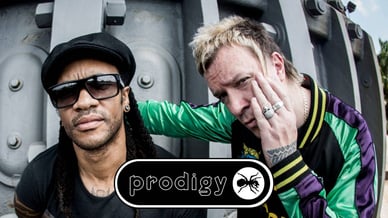
The Prodigy are a British electronic music group. Their work incorporates elements of several genres: from hardcore techno, industrial and breakbeat in the early 1990s to electro-rock with punk-influenced vocals in later years. In this article, we will review the band’s history, discuss the awards they have won, and their participation in popular festivals.
Country | England |
Year founded | 1990 |
Founder | Liam Howlett |
Genres | electronic music, breakbeat, techno, rave, electro-rock |
Key members | Liam Howlett, Maxim |
Former members | Keith Flint, Leeroy Thornhill, Sharky |
Albums | ‘Experience’, ‘Music for the Jilted Generation’, ‘The Fat of the Land’, ‘Invaders Must Die’, ‘The Day Is My Enemy’, ‘No Tourists’ |
Songs | ‘Firestarter’, ‘Breathe’, ‘Smack My Bitch Up’, ‘Omen’, ‘Voodoo People’, ‘Take Me to the Hospital’ |
Awards | BRIT Awards (including wins in 1998 and 2006), MTV Europe Music Awards, Grammy Award nominations |
Festivals | Glastonbury Festival, Reading and Leeds Festival, Isle of Wight Festival |
The History of The Prodigy
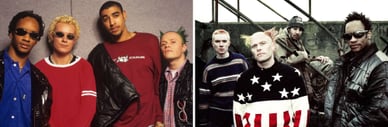
The Prodigy 90s
The history of The Prodigy began in 1990 in Braintree, England. The project was founded by Liam Howlett, who initially made music on his own before eventually putting together a full band. From the very start, it was neither a traditional ‘boy band’ nor simply a DJ project. The Prodigy emerged from the rave scene and quickly became one of the most prominent bands in electronic music.
Early years and first successes
In the first half of the 90s, Liam Howlett released his first tracks, which quickly spread through the clubs. It was clear from these early releases that the band had its own sound — sharp, energetic, with a touch of aggression that many electronic music artists of the time lacked. Among The Prodigy’s first notable hits, ‘Charly’ and ‘Everybody in the Place’ stand out, having entered the UK charts. Thanks to these, the band gained fame beyond the rave scene.
“Experience” and rising popularity
In 1992, The Prodigy released their debut album, “Experience”. It featured dance tracks characterised by fast rhythms, hard-hitting beats and a sense of constant movement. The band began performing actively, building a powerful live energy around them. It was then that The Prodigy came to be seen not merely as a studio project, but as a band with powerful live shows.
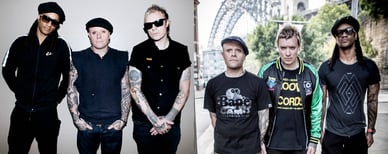
The Prodigy
“Music for the Jilted Generation” — a turning point in the band’s history
In 1994, the band released their second album, “Music for the Jilted Generation”, which was heavier and more socially conscious in tone. The Prodigy moved away from pure rave and began mixing styles: techno, breakbeat and harder electronic genres. The release of this album can be considered a turning point – it marked the start of the band’s journey to global popularity.
“The Fat of the Land” and global success
In 1997, the band released the album “The Fat of the Land”, which catapulted The Prodigy to international stardom. It featured the tracks “Firestarter”, “Breathe” and “Smack My Bitch Up”. These songs topped the charts and became emblematic of the 1990s. The album topped the charts in dozens of countries and cemented the band’s status as one of the most influential electronic music acts in the world.
Further development and new albums
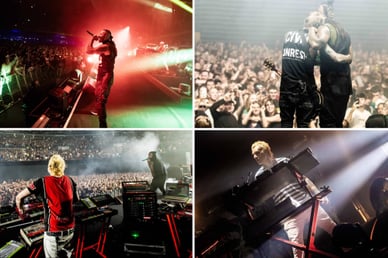
The Prodigy Concert
Following their global success, the band did not disappear, continuing to experiment with their sound. Over the years, they released the following albums:
- ‘Always Outnumbered, Never Outgunned’ (2004)
- ‘Invaders Must Die’ (2009)
- ‘The Day Is My Enemy’ (2015)
- ‘No Tourists’ (2018)
Each of these demonstrated that The Prodigy were not stuck in the 90s, but continued to evolve and change their sound.
Awards and nominations
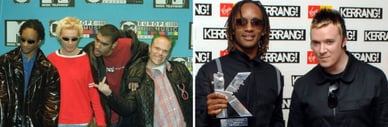
The Prodigy Awards
Throughout their career, The Prodigy have received a number of major music awards and nominations. They were nominated for the prestigious BRIT Awards several times in succession:
- 1994 – Best British Dance Act;
- 1995 – Best British Dance Act;
- 1997 – Best British Group;
- 1998 – winner of Best British Dance Act;
- 1998 – nominated for Best British Album (‘The Fat of the Land’);
- 1998 – nominated for Best British Group.
The band’s first BRIT Award win was in 1998, and their second in 2006. In addition, the artists won the MTV Europe Music Awards (MTV EMA) a total of five times:
- 1997 — Best Dance;
- 1997 — Best Video (‘Breathe’).

Prodigy at The Kerrangs
The band’s peak in MTV EMA wins came between 1994 and 1998. In 1997, the band won the Viewer’s Choice award (‘Breathe’) at the MTV Video Music Awards (VMA), and were also nominated in the Best Dance Video category. Their achievements include wins for Best Dance Video (‘Smack My Bitch Up’) and Breakthrough Video (‘Smack My Bitch Up’), dating from 1998.
They were nominated for Grammy Awards twice: in 1998 in the Best Alternative Music Album category (‘The Fat of the Land’) and in 2005 in the Best Electronic/Dance Album category (‘Always Outnumbered, Never Outgunned’).
The Prodigy received most of their awards between 1994 and 1998, when their key albums and hits were released. Later, the band shifted their focus to live performances.
Members of The Prodigy
Throughout their career, The Prodigy have undergone several line-up changes. Each member of the band has a specific role. From the very beginning, The Prodigy were built around an idea rather than a fixed line-up. The band’s leader is Liam Howlett, whilst the other members enhance the live sound and stage energy.
Liam Howlett
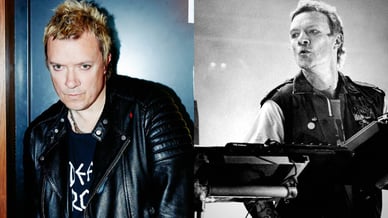
The Prodigy Liam Howlett
Liam Howlett was born on 21 August 1971 in Braintree, England. He founded The Prodigy and is the composer of all the music performed by the band. The artist put together his first tracks at home. Liam Howlett shaped the band’s sound, which later became recognisable worldwide.
Howlett started out as a DJ but quickly switched to producing his own music, inspired by the rave scene of the late 80s and early 90s. He not only writes tracks but is also entirely responsible for The Prodigy’s musical foundation — from the first demos to major albums. Howlett writes truly energetic songs. Thanks to him, the band’s sound has become raw, direct and very lively, even in studio recordings.
Maxim
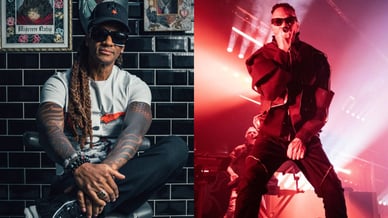
The Prodigy Maxim
Maxim (Keith Palmer) was born on 21 March 1967 in Peterborough, England. He joined The Prodigy in the early 90s and became a key part of the band’s live performances.
Maxim is responsible for the vocals and stage presence. His style is a blend of rap and aggressive delivery, which fits perfectly with Liam Howlett’s music. Before joining The Prodigy, he was involved in the reggae and hip-hop scenes, and this experience has had a noticeable influence on his performance style. At concerts, it is Maxim who often connects with the audience and maintains the energy throughout the performance.
Former members
The band’s line-up has changed over the years, particularly when it comes to live performances. Some members were an important part of The Prodigy’s early period but later left the project.
Keith Flint
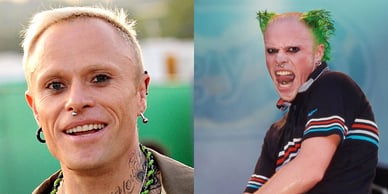
The Prodigy Keith Flint
Keith Flint was born on 17 September 1969 in Redbridge, London, England. He joined The Prodigy as a dancer, later becoming the band’s lead frontman. It was Keith Flint who made the band’s stage persona so instantly recognisable. His appearance, energy and aggressive stage presence transformed The Prodigy into not just a musical but also a visual phenomenon. Keith sang the lead vocals on the band’s most famous tracks – ‘Firestarter’ and ‘Breathe’ – which became global hits. Keith Flint remained a member of The Prodigy until his tragic death in 2019.
Leeroy Thornhill
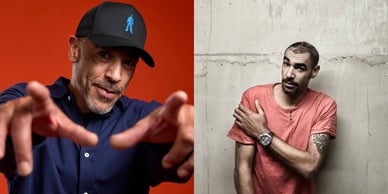
The Prodigy Leeroy Thornhill
Leeroy Thornhill was born on 8 August 1968 in Southend-on-Sea, England. He was a member of the early line-up of The Prodigy. Thornhill started out as a dancer and helped shape the band’s stage persona in the 90s. His performance style was part of the rave culture of the time, where not only the music but also movement, energy and visual presentation were important. He left the band in the early 2000s, after which he pursued his own musical projects.
Sharky
Sharky (Shane O’Brien) is another member of The Prodigy’s early line-up from the early 90s, a dancer who was an integral part of the band’s live performances. His contribution is linked specifically to live concerts and the development of the visual aspect of the show in the project’s early years.
The Prodigy Concert
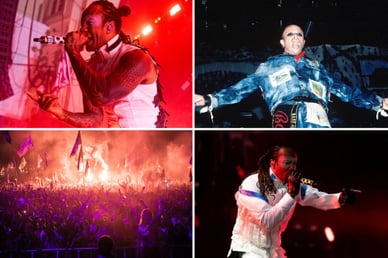
The Prodigy at Glastonbury Festival
Live performances have always been The Prodigy’s strong point. At their concerts, they didn’t just play tracks; they put on a spectacular show in which the music worked in tandem with the lighting, movement and the audience’s reaction.
One of the key festivals in the band’s history was the Glastonbury Festival. The Prodigy headlined it in 1995, 1997, 2009 and 2015. The 1997 appearance is particularly well remembered, as the band was at the height of their popularity following the release of the album ‘The Fat of the Land’.
The Prodigy also appeared at the Reading Festival on several occasions, including performances in 1994, 1997, 2009 and 2015. The band headlined the Leeds Festival in 2009 and 2015. These music events cemented their status as one of England’s leading live bands.

The Prodigy - Firestarter (Reading and Leeds 2009)
Major venues have played a significant role in the band’s concert history. Performances at Alexandra Palace took place mainly in the late 1990s and early 2000s, when the band was actively touring England. Concerts at the O2 Academy Brixton took place in 2004 and 2009 — this is one of the venues where the club-like energy of their music is particularly palpable.
The band performed at Wembley Arena as part of their 2005 tour, and later returned there for other concert series. Concerts at the OVO Hydro and Utilita Arena Birmingham mainly took place during the 2015–2019 tours, when the band was actively promoting the album ‘The Day Is My Enemy’ and later ‘No Tourists’.
Birmingham was a regular stop on their tour itineraries, particularly during the 2009, 2015 and 2018 periods, when they undertook extensive tours across the country. The Isle of Wight Festival has also become part of their live history — they performed on its stage in 2009, with The Prodigy traditionally proving to be one of the most energetic headliners.
Albums and popular songs
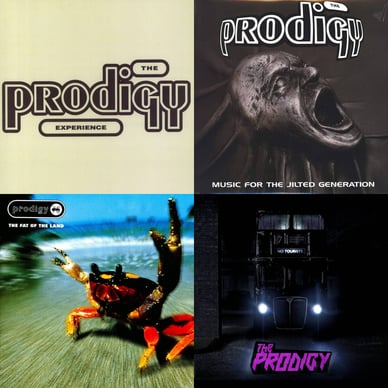
The Prodigy Albums
The Prodigy have released several albums that have defined their style and influenced electronic music as a whole. The band’s debut album, Experience, released in 1992, captured the essence of early 90s rave culture and quickly gained popularity on the club scene.
The album “Music for the Jilted Generation”, released in 1994, showcased a harder and more socially charged sound, cementing the band’s transition from rave to their own distinctive style. Their real global breakthrough came with “The Fat of the Land”. This album, released in 1997, made The Prodigy popular abroad, whilst the tracks “Firestarter”, “Breathe” and “Smack My Bitch Up” became truly iconic.
This was followed by ‘Always Outnumbered, Never Outgunned’ (2004), ‘Invaders Must Die’ (2009), ‘The Day Is My Enemy’ (2015) and ‘No Tourists’ (2018). Each of these albums showcased the band’s evolving sound whilst retaining their signature energy.

The Prodigy - Firestarter
The band’s most popular songs include:
- Firestarter
- Breathe
- Smack My Bitch Up
- Voodoo People
- Omen
- Poison
- No Good (Start the Dance)
- Out of Space
- Everybody in the Place


Frequently asked questions
What genre is The Prodigy?
The Prodigy are most often classified as electronic music, but their sound isn’t confined to any single genre. Their sound blends breakbeat, techno, rave and elements of electronic rock. The band has always had its own distinctive style, which emerged back in the early 90s.
Where are The Prodigy from?
The Prodigy formed in England, in the town of Braintree, Essex. Founder Liam Howlett hails from there, and the project’s original members were also connected to that scene. Later, musicians and performers from various cities across England, including Peterborough and London, joined the band.
Who is the lead singer of The Prodigy now?
The Prodigy do not have a traditional ‘lead singer’ as in most rock bands. Keith Flint was the main vocalist and frontman on stage for a long time. Following his death in 2009, Maxim has taken on the role of frontman at concerts, whilst Liam Howlett continues to create the musical foundation.
Where is Keith Flint from The Prodigy buried?
Keith Flint was buried in England. The funeral took place in 2019 in the county of Essex. The exact location of the grave is not public information — the family did not make it known to the general public.
When did The Prodigy start?
The Prodigy were formed in 1990.
What years did The Prodigy plays Glastonbury?
The Prodigy performed at the Glastonbury Festival several times at different stages of their career in 1995, 1997, 2009 and 2015.
Why is The Prodigy logo an ant?
The Prodigy’s ant logo is not a random image; it is associated with the band’s original vision of themselves at the start of their history. Although small, the ant is a highly organised, resilient and hard-working creature that forms part of a larger system. This is roughly how Liam Howlett saw himself in the early days: he ‘built’ music layer by layer, assembling a complex mechanism from tiny details.