Irish Racing
Irish horse racing is one of the Emerald Isle’s most popular sports, with fans throughout both Northern Ireland and the Republic of Ireland putting their differences aside for their love of the sport. It plays a hugely important role in the Irish economy through tourism, breeding and betting, with major competitions leading to huge sums of money changing hands in bookmakers and crypto casinos.
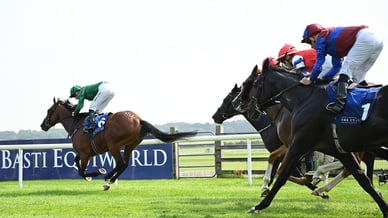
Let’s take a look at the Irish Derby and other huge events in the Irish racing calendar, along with why horse racing is so significant to Irish culture. There’s no better place to learn about the state of Irish racing today.
What You Need to Know About Irish Racing
Let’s kick things off with some key facts about the history of Irish horse racing.
Horse Racing Ireland is the sport’s governing body, and its 2001 foundation is inextricably linked with the Horse and Greyhound Racing Act 2001, which created the organisation and also controls its governance. The Act, which was passed into law by the Irish Parliament, makes Horse Racing Ireland responsible for regulating and promoting the sport throughout the country.
Governing Body: | Horse Racing Ireland |
Founding Year: | 2001 |
Number of Racecourses: | 26 |
Annual Race Meetings: | ~400 |
Top Trainers: | Aidan O’Brien, Willie Mullins, Gordon Elliott |
Official Website: |
Historically, some of the most popular events amongst the punters of the best online casinos Ireland has to offer include:
- Cheltenham Festival: Despite being in the UK and not Ireland, it features a lot of Irish trainers
- Irish Grand National: The standout domestic race
- Irish Derby: One of the most popular flat races
- Galway Races Summer Festival: Always popular with both casual and serious gamblers
- Punchestown Festival: Another popular festival amongst the Irish
Strengths and Weaknesses of Irish Racing
One of the biggest reasons for its success is its reputation for high standards, strong regulation and the infrastructure needed to compete at the highest level. Fans of Irish Racing are particularly taken by the atmosphere on race day, which has to be experienced to be believed. This is especially true at major events like Punchestown and the Irish Derby, which showcase Irish racing culture in a way that nothing else does.

However, there are disadvantages to think about, too. Detractors of the sport point to animal welfare concerns, and there’s also an imbalance between stables with a half dozen or so major players maintaining a stranglehold across the industry. Betting revenue is also vital for the continuation of the major events, needing new online casinos to keep popping up and pump money into the horse racing scene.
Major Irish Racing Events
Key Dates in the Calendar
There are so many Irish races that you can find an event on most weekends if you know where to look. Flat racing usually runs from March to November, with the Irish Derby as its headline fixture (June 26 to 28 in 2026). Understandably given the better weather, this is usually when the major festivals take place, too. Keep your eyes peeled for the Galway Races Summer Festival from July 27 to August 2 2026.
During the winter, National Hunt racing tends to dominate the race calendar, with users of Apple Pay casinos focusing on hurdles and steeplechases at events like the Cheltenham Festival (March 16to 19 in 2027), Punchestown (April 27 to May 1 2027) and the Irish Grand National (March 29 2027). As you can see, there’s also some overlap here with the flat racing season beginning in the spring.
Recent Results
This year’s Irish racing season is only just underway, and so while there are some early results that we can take a look at, there are also plenty of fixtures left to go. Still, understanding the recent form of the main horses and riders is a vital step towards winning big on the new online casinos offering decent odds on the big meets.
Recent winners over the last six months include:
- Irish Gold Cup: Fact to File (Trained by Willie Mullins and ridden by Mark Walsh)
- Irish Champion Hurdle: Brighterdaysahead (Trained by Gordon Elliott and ridden by Jack Kennedy)
- Punchestown Gold Cup: Gaelic Warrior (Trained by Willie Mullins and ridden by Paul Townend)
- Cheltenham Gold Cup: Gaelic Warrior (Trained by Willie Mullins and ridden by Paul Townend)
As you can see, Willie Mullins has dominated key races as the best trainer, with Mullins’ horse Gaelic Warrior and jockey Paul Townend winning big at both Punchestown and Cheltenham.
Irish Grand National
You can’t talk about Irish horse racing without talking about the country’s most historic and prestigious race. It attracts fans from all over the Emerald Isle and beyond to Fairyhouse Racecourse.

The event first took place in 1870, and it takes the form of a handicap steeplechase. For casual racing fans, a steeplechase is when horses have to jump over fences on the course, while handicap races aim to give each horse an equal chance of winning by giving better-rated horses more weight to carry around the course.
The race preview for this particular race shows a distance of over three miles and a number of challenging jumps along the way. Historically, it’s had a reputation for being a tactical and challenging race that’s spawned one rivalry after another amongst the major riders and stables. It’s also known for its unpredictability, which makes it the perfect race to wager on.
Symbols of Irish Racing
The Irish are known for their strong sense of national identity, with iconic symbols like the shamrock and the harp showing up in all sorts of places throughout the country. You’ll see them on football shirts and beer bottles, and you’ll also see them at the country’s race tracks.
Other key symbols of Irish heritage are equally rooted in tradition, such as the cultural use of green and white, which are both on the country’s flag. Green is also associated with Irish Catholicism, and it’s not uncommon to see green and white on hoardings, fences, jackets and caps at major races.
Irish racing, then, is rooted in the country’s history and characterised by the use of the same colours and imagery that we see elsewhere in the Emerald Isle. When you couple that with the traditional racewear, such as the jackets, caps and silks that the jockeys wear, you’re left with a visual spectacle both on and off the course.
Latest Irish Racing News
Even though we’re still towards the start of the season, there are plenty of updates about the Irish racing scene, and if you want to boost your chances of winning big at the bookies then you’ll need to make sure that you’re up-to-date.
Willie Mullins is still the biggest name in racing Ireland, but there are plenty of up-and-comers to watch including Siobhán Rutledge and Alan O’Sullivan. Meanwhile, trainer Richard Hughes has threatened to withdraw his horses due to a veterinary dispute, and major owner J. P. McManus has appointed Harry Cobden as his number one jockey. This piece of news has taken many by surprise, as it spelled the end of Mark Walsh’s run as McManus’ main rider.
Other updates include an increased move to avoid injuries to both riders and their mounts, especially after a race was abandoned at Gowran Park due to concerns about the conditions of the track.
2025/2026 Season
Let’s take a closer look at the current season and what we can expect to see in the coming months.
- Major Racecourses: Curragh, Leopardstown, Punchestown, Fairyhouse
- Leading Trainers: Willie Mullins, Aidan O’Brien, Gordon Elliott
- Leading Jockeys: Dylan Browne McMonagle, Paul Townend, Jack Kennedy
- Top Horses: Gaelic Warrior, Albert Einstein, Fact to File
Here are some of the Irish races to look forward to from the lineup this season:
- Irish Derby Festival: 26to 28 June
- Irish Oaks: 18to 19July
- Galway Races Festival: 27 July to 2 August
- Curragh Summer Series: Throughout August
- Irish Champions Weekend: 12 to 13 September
- Punchestown Winter Meetings: October to December
Bear in mind that a number of important races have already taken place, including the Dublin Racing Festival (31 January to 1 February), the Irish Grand National (29March), Punchestown Festival (28 April to 2May) and the Irish 1,000 and 2,000 Guineas (23and 24 May).
Top Irish Trainers
You can’t talk about Irish horse racing without talking about the trainers, because it’s the trainers that make the industry possible in the first place. There are dozens of major players out there, many of them with impressive stats and a number of wins to their name, but there are also three people in particular that are worth watching:
Willie Mullins has long been at the front of the pack, with his Closutton stables picking up hundreds of wins and bringing in over €5 million in prize money in recent years. If a Mullins horse is running, there’s a good chance it will win the race.
Gordon Elliott is arguably Mullins’ biggest rival, especially in handicaps and during festival season. If there’s prize money to be had, Elliott is likely in the running for it.
Aidan O’Brien is known for dominating on the flats, and his horses are also consistently consistent and easy to rely upon.
Top Horses and Jockeys
Now that we’ve looked at the top trainers in Irish racing, let’s have a look at the horses and jockeys. We could be here all day with this, so let’s structure this in the form of a top five and highlight their recent performance.
Jockeys:
- Jack Kennedy: Won the 2026 Irish jump jockeys’ championship title
- Paul Townend: Won the 2026 Grand National at Aintree riding I Am Maximus
- Dylan Browne McMonagle: Breeders’ Cup Turf 2025 winner
- Rachael Blackmore: Has previously won at the Cheltenham Festival and Grand National
- Mark Walsh: Had a strong 2025 to 2026 season with multiple big wins
Horses:
- I Am Maximus: 2026 Grand National winner
- Lossiemouth: Major grade 1 festival wins in the 2025-2026 season
- Ethical Diamond: 2025 Breeders’ Cup Turf winner
- Fastorslow: Punchestown Gold Cup winner
- Home by the Lee: 2026 Stayers’ Hurdle at Cheltenham winner
Heritage, Tradition and Fans
The racing Ireland scene is a thriving and growing sports environment that’s known for its passionate supporters and the vibrant atmosphere on race day. In a country with a history of divisiveness, horse racing is one of the few things that brings people together. Whether you’re in Dublin or Kildare, you’re sure to see a rich mix of humanity, with rural communities, city dwellers and international visitors standing shoulder to shoulder as they cheer their horses on.
Tradition is a key part of the horse racing culture, with many families having their own individual customs when it comes to race day. People tend to have good luck charms or other superstitions, too. That’s just one of the many things that makes Irish racing so fascinating; it combines the old with the new and history with the present in a sport that everyone can enjoy.