The Libertines
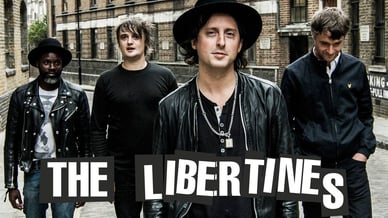
The Libertines are a British rock band performing in the genres of indie rock, alternative rock, post-punk revival, garage rock, and punk rock. In this article, we will tell you about its history, members, and performances at popular festivals. We will provide readers with information about the band's awards, songs, and albums.
Country | United Kingdom (London) |
Year founded | 1997 |
Genres | Indie rock, garage rock, post-punk revival |
Years active | 1997–2004, 2010, 2014–present |
Members | Carl Barât Pete Doherty John Hassall Gary Powell |
Former members | Johnny Borrell, Paul Dufour |
Songs | What a Waster, Up the Bracket, Time for Heroes, Don't Look Back into the Sun, Can't Stand Me Now |
Albums | Up the Bracket (2002), The Libertines (2004), Anthems For Doomed Youth (2015), All Quiet on the Eastern Esplanade (2024) |
Awards | NME named them Best New Band in the United Kingdom |
The Libertines' history
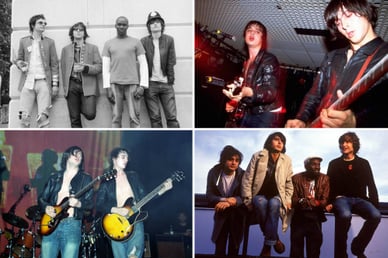
The Libertines are one of the most legendary British indie rock bands of the late 1990s and early 2000s, whose history is full of ups and downs, friendship and conflict. The band was formed in London in 1997 by two friends, Carl Barât and Pete Doherty. Together, they became the driving force behind the entire UK music scene in the early 21st century.
The Libertines
Early years and first successes
It all began in 1997, when Carl Barât and Pete Doherty decided to form their own band, becoming its lead singers and guitarists. They were soon joined by bassist John Hassall and drummer Gary Powell. In the early 2000s, The Libertines actively performed in small London clubs, attracting the attention of the music press.
The real breakthrough came in 2002 with the release of their debut album, Up the Bracket, which was very warmly received by critics and fans alike. The band quickly became one of the most talked-about acts on the British scene.
Conflicts and breakup (2003–2004)
Fame and a busy touring schedule took their toll on the band's internal relationships. The main cause of the problems was Pete Doherty's lifestyle, which became dominated by alcohol and drugs. He began to clash with the other members. Frequent quarrels and problems with the law led to the band effectively breaking up in 2004 after the release of their second album, The Libertines, despite its success and reaching the top of the British charts. After the breakup, Carl Barât formed the band Dirty Pretty Things, while Pete Doherty founded Babyshambles and began a solo career.
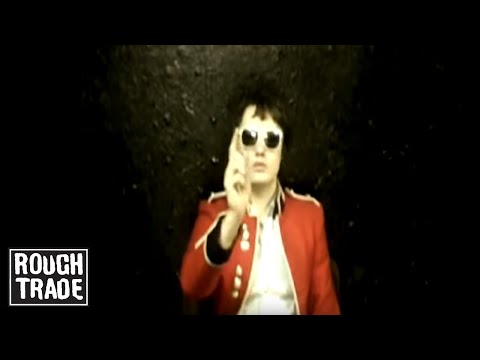
The Libertines - Don't Look Back Into The Sun
Reunion and creativity in the 21st century
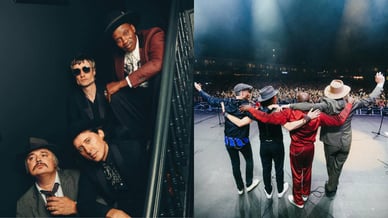
The band reunited for the first time in 2010 to perform at the Reading and Leeds Festival, which was a big event for fans. Another important reunion took place in 2014, when The Libertines headlined the major London festival British Summer Time and embarked on a large-scale European tour. The band then released a new studio album, Anthems For Doomed Youth, in 2015, followed by All Quiet on the Eastern Esplanade in 2024, which became their first number one album in the UK in many years.
The Libertines
Awards and nominations
The Libertines have won a number of prestigious music awards throughout their career. Among them, the NME Awards, one of the most important British awards in the field of rock music, are particularly significant:
- 2003 — Best New Band at the NME Awards.
- 2004 — Best British Band at the NME Awards.
- 2005 — Best British Band again at the NME Awards.
The band's first albums and singles regularly made it into the lists of the best music releases of the year. The Libertines' work was highly praised by music magazines and critics.
Members of The Libertines
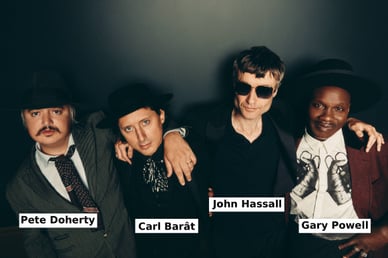
Members of The Libertines
The Libertines became one of the symbols of the revival of garage and indie rock in the first half of the 2000s. The heart of the band has always been the duo of Carl Barât and Pete Doherty, who were joined by John Hassall and Gary Powell for most of the band's history. Their music, energy and history of friendship interspersed with conflict made the band a cult favourite in British music history.
Carl Barât
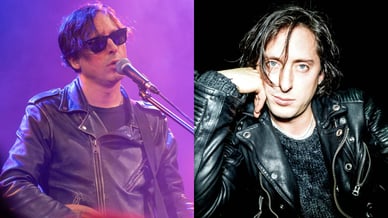
Carl Barât
Carl Barât was born on 6 June 1978 in Basingstoke. The vocalist and one of the founders of The Libertines played guitar and participated in songwriting. Carl's personal life is quite eventful: after his success with The Libertines, he formed the band Dirty Pretty Things, in which he also performed as the frontman. In addition to music, the artist has acted in films and pursued a solo career. He lives in London, where he continues to work on new projects. Barât is known for his charisma, sometimes displaying a restless temper. His musical style is a combination of punk rock energy and poetic lyrics.
Pete Doherty
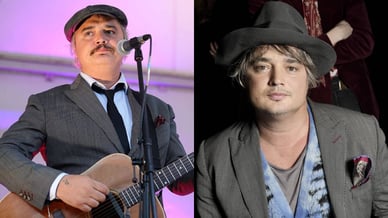
Pete Doherty
Pete Doherty was born on 12 March 1979 in Newcastle upon Tyne. He is the lead singer, rhythm guitarist and one of the main songwriters for The Libertines. The artist is also known for his turbulent personal life, including his relationship with model Kate Moss and his struggle with drug addiction in the 2000s. It was these problems that largely led to the band's breakup in 2004. In later years, Doherty moved to France and started a family — he has a wife and children, and he continues his musical career, participating in the recording of new albums and performances.
John Hassall
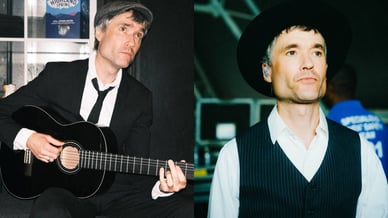
John Hassall
John Hassall is a bassist who joined the band when they signed a contract with the Rough Trade label. Before and after The Libertines, Hassall was involved in various musical projects. Later, the artist formed his own band, The April Rainers, with which he performed in Denmark alongside his wife, Line Hassall Thomsen. He made a significant contribution to the sound of The Libertines, especially during their commercial success in the early 2000s.
Gary Powell
Gary Powell
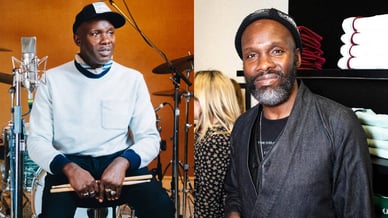
Gary Powell is the drummer for The Libertines, having joined the band in 2001. He has remained a permanent member ever since. In addition to The Libertines, Powell has collaborated with other artists and worked on joint projects with former band members. His style is a driving, confident rhythm that has become one of the elements of the band's signature sound.
Former Members
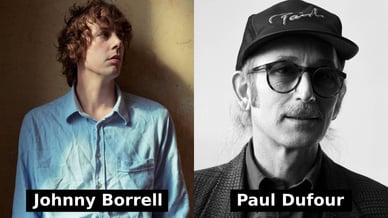
Let's also say a few words about the former members of the band.
The Libertines Former Members
Johnny Borrell
Johnny Borrell was part of the early line-up of The Libertines, playing bass guitar until 1999. That was before John Hassall became the band's full-time bassist. After leaving The Libertines, Borrell became the leader and frontman of another British rock band, Razorlight, and then achieved solo success on the British scene.
Paul Dufour
Paul Dufour was the band's early drummer, playing with The Libertines at the dawn of their existence in 2000. He is also known by the nickname ‘Mr Razzcocks’. The artist worked with the band in the very beginning, before being replaced by Gary Powell. Dufour died in 2022 at the age of approximately 74, the cause of his death being cancer.
The Libertines at festivals
The Libertines are one of the most notable British rock bands of the late 1990s and early 2000s. The Libertines have often performed at major festivals, especially since their reunion. These performances became an important part of their career — the artists perform their cult songs live, giving fans real energy and drive.
The Libertines at Glastonbury Festival
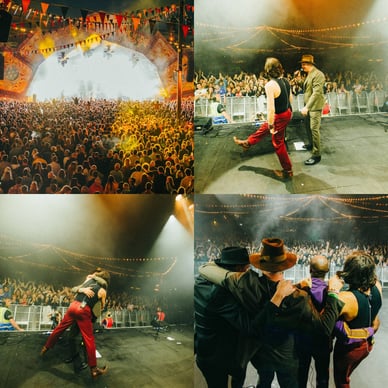
The Libertines have performed several times at the legendary Glastonbury Festival. They first took to the stage in 2003 and returned in 2015 after a long hiatus. They played on the Pyramid Stage in front of a huge crowd, who enthusiastically welcomed every track. In 2025, the band was once again included in the festival's official line-up, confirming their popularity and fans' love for their music. The band performed on the Pyramid Stage on 29 June as part of the main programme.
After a long hiatus, in 2010 The Libertines officially reunited to perform at the Reading & Leeds Festivals, two related events held on the same weekend in August. These were some of the band's first major performances after their breakup. In 2015, The Libertines played Reading Festival.
In 2014, The Libertines headlined British Summer Time, a series of summer concerts in Hyde Park, London. This event was a notable occasion, heralding their reunion.
The Libertines often perform at the same events as another well-known indie rock band, Blossoms. For example, they have played concerts at Alexandra Palace and, of course, met at festivals such as British Summer Time.
The band has also played several concerts at Brixton Academy. In 2003, these were performances that coincided with the band's peak popularity after the release of Up the Bracket. In 2010, they performed after the band's first high-profile reunion. Another series of concerts, announcing the full return of The Libertines, took place in 2014. In 2015, the audience enjoyed shows in support of the album Anthems For Doomed Youth. And in 2019, they performed at anniversary and club concerts.
Albums and popular songs
The Libertines Albums
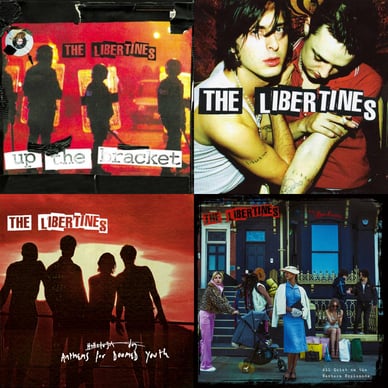
Throughout their career, The Libertines released several studio albums that became key to the British indie rock scene:
- Up the Bracket2 (2002) — their debut album, which immediately attracted the attention of critics and fans.
- The Libertines (2004) — the second album, released before the band split up.
- Anthems For Doomed Youth (2015) — an album recorded after the band reunited, reflecting a new stage in the artists' creative work.
- All Quiet on the Eastern Esplanade (2024) — the band's latest album, which marked their return to the charts.
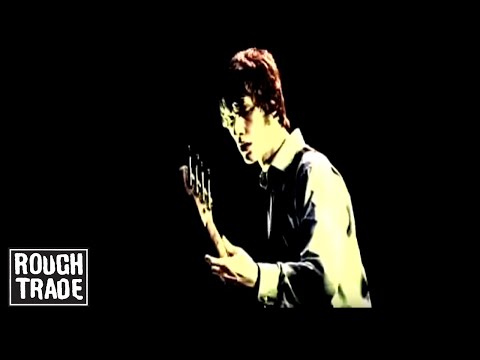
The Libertines - Can't Stand Me Now
List of popular Libertines songs often performed at festivals:
- What a Waster
- Up the Bracket
- Time for Heroes
- Can't Stand Me Now
- Don't Look Back Into the Sun
- I Get Along
These tracks reflect the energy and spirit of the band, and their performance on large festival stages always elicits a lively response from the audience.



Frequently asked questions
Where are The Libertines from?
The Libertines are from London, England. The band was formed in the late 1990s and quickly became part of the London indie rock scene.
What genre does The Libertines belong to?
The band works in the genres of indie rock, garage rock revival and post-punk revival. Their music combines energetic punk rock and melodic indie rock elements. It is this mix that made them iconic on the British scene in the early 2000s.
Who is the lead singer of The Libertines?
The band's main vocalists are Carl Barât and Pete Doherty. They take turns singing and also write the lyrics to the songs together.
When was The Libertines formed?
The band was founded in 1997 in London. Initially, it was a duo consisting of Carl Barât and Pete Doherty. They laid the foundation for the band, and were soon joined by John Hassall and Gary Powell, forming the final line-up.