Jameson Irish whiskey: history, production, and how to visit Bow Stree
If you enjoy whiskey, you’ve almost certainly heard of Jameson — the world’s best-selling Irish whiskey, with 8+ million cases sold annually. But what exactly made it so popular — and how did a Dublin distillery founded in the 18th century become a global brand?
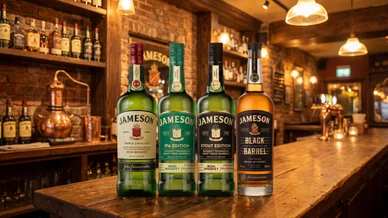
Founded by John Jameson in 1780 and now owned by Pernod Ricard, Jameson Whiskey has transformed throughout the years from being the product of a small Dublin distillery to being a global brand that’s popular with whiskey connoisseurs all over the world. And the good news for you if you’re a fan of the iconic brand is that we’re going to take a comprehensive look at everyone’s favourite triple-distilled Irish whiskey. Sláinte!
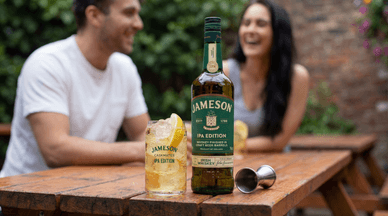
Jameson Irish whiskey
The history of the Jameson brand
Meet Dublin’s John Jameson
As we mentioned in the introduction, Jameson was named after the John Jameson founder who made it all possible after opening his distillery in 1780. Interestingly for the founder of an iconic Irish brand, he was actually originally from Alloa in Scotland, where he worked as a lawyer until he opened the distillery on Bow Street, Dublin, Ireland.

The Story Of John Jameson
The founder’s Scottish origins story begins with his marriage to Margaret Haig, who was the daughter of a whisky distiller and whose background inspired John to join the family business. John and Margaret built a family dynasty of 16 children, many of whom would go on to join the workforce at the company.
In fact, the business would go on to be passed down through three generations of the family, growing from one year to the next, before eventually being incorporated as John Jameson and Son Ltd. In 1901, the family became so influential that portraits of various family members would go on to be displayed at the National Gallery of Ireland.
Company Growth in the 1800s
Let’s jump back to 1805, just 25 years after the company’s founding and long before its 1901 incorporation. By that point, Jameson Whiskey was already the world’s second-largest producer of whiskey, a phenomenal achievement which underscores its global expansion and its commitment to filling the world’s glasses.
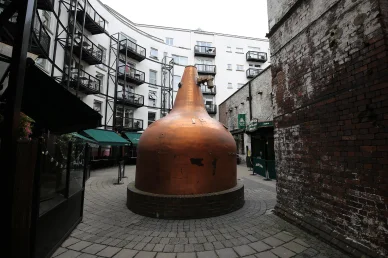
Dublin - Old Jameson Distillery
By then, over 1,000,000 gallons were being shipped from their Dublin whiskey centre every year, giving them the kind of hold over the market that’s tough for anyone to break. Even the trade challenges during the Irish War of Independence, the trade war with Britain and the US prohibition weren’t enough to stop the inevitable growth of the company.
Meanwhile, competition from the Scots led to them switching to traditional Irish pot still production methods to make sure that their whiskey had a USP. The result? A whiskey that the whole world fell in love with.
The Company Structure Today
No family dynasty lasts forever, and the 1966 merger that combined John Jameson with Cork Distillers and John Power is a great example of that. It complicates the question of who owns Jameson whiskey, because it turned the manufacturer into an Irish Distillers subsidiary. That’s how things stood for another 20 years or so, until they were acquired by a French drinks conglomerate called Pernod Ricard.

How It's Made - Jameson Black Barrel
Now under Pernod Ricard ownership, that same question of who owns Jameson whiskey is easier to answer, although it’s still not clear-cut. Today, the corporate structure is that Irish Distillers is a wholly owned subsidiary of Pernod Ricard, with Jameson acting as a flagship brand that spearheads their strategic expansion throughout the world.
Even though it’s close to a quarter of a millennium since the company’s early origins, they still stay true to John’s original vision. They’ve also managed to stay relevant and even to continue growing their revenue, despite how competitive the marketplace can be.
How it’s Produced and Distilled
By 1976, the Jameson distillery was no longer suited to an ever-changing marketplace, and so the company decided to move away from Dublin and to open its New Midleton Distillery. Located in County Cork, this much more modern production facility allowed the company to use one location to produce a bunch of different iconic brands, with Powers and Redbreast being distilled alongside Jameson.
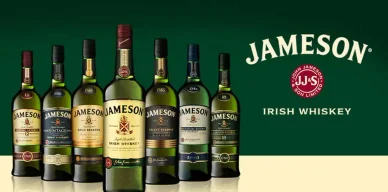
Jameson is the best-selling Irish whiskey in the world
This new Jameson distillery is also notable because it uses a triple-distillation process, something which gives the whiskey its iconic and instantly recognisable taste. The Cork production method uses a blend of grain whiskey and single pot still whiskey to balance the taste profile while maintaining agricultural links to the local farms, sourcing all of the brand’s barley from within a fifty-mile radius.
The grain and pot still blend isn’t the only thing that makes Jameson taste like Jameson, though. They also buck the trend that’s favoured by their Scottish cousins by opting to use natural, gas-fired stills instead of peat burners, avoiding the smoky taste that the Scots tend to prefer. Instead, it’s much cleaner, softer and easier on the palate.
Visiting Jameson
Like many big brands that have become household names for the products they produce, the Jameson distillery has learned that transparency builds trust and that consumers like to take a look behind the scenes. That’s why they spent $12.6 million renovating the distillery and building the Bow Street Museum, which opened to the public as a premium visitor attraction in 2016.
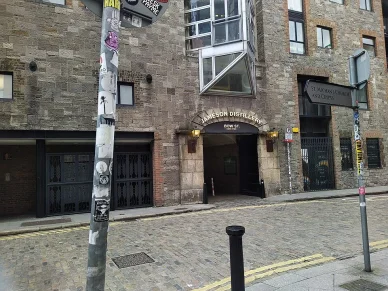
Jameson Distillery Bow St. is a former Irish whiskey distillery and a tourist attraction located just off Smithfield Square in Dublin, Ireland.
Now, fans of the brand and of Irish whiskey can enjoy a spot of whiskey tourism by wandering around the museum, enjoying whiskey tastings and even visiting their maturation warehouse, which aims to illustrate how the company is able to achieve its iconic flavour. This includes incredible visitor experiences at Jameson 18 Bow Street, where you can learn how the whiskey is finished and prepared for market.
Heritage preservation is the name of the game, because the company wants people to understand how much thought and effort goes into every single bottle. It also plays an important role in Ireland’s strategy for whiskey tourism, which is believed to attract over 600,000 visitors every year.
Jameson’s Sales Record
In 2019, Jameson Irish whiskey hit a new high by selling a record number of cases, shifting over eight million of them in more than 130 countries throughout the world. This global sales success shows just how well the brand is doing against the backdrop of challenging international markets, growing by 3% last year and cementing its position as the go-to Irish whiskey for the discerning drinker.
Sure, their whiskey is popular throughout Ireland and Europe, but their market resilience comes from the fact that they also have strong sales records in Asia, Africa and Latin America, thanks mostly to countries like India, Japan, Nigeria, Brazil and Mexico.
The demand for premium spirits (and for Irish whiskey in particular) in emerging markets is a vital part of their growth strategy and also helps to offset the pressures of the ever more competitive markets in Europe and the US. To Jameson, that’s more important than ever against the backdrop of more and more tariffs coming into play and holding back international trade.
Jameson’s Products and Awards
These days, the Jameson whiskey range includes a diversified product portfolio that goes far beyond its standard blend, which is mostly known for its smooth, recognisable flavours. For example, there’s Jameson 18-Year-Old, which is exactly what it sounds like. The longer duration allows for a richer, more layered taste, which whiskey fans can’t stop raving about.

How It's Made - Jameson Distillery Bow St.
Then there are more premium expressions of the brand, such as collectors’ favourite Rarest Reserve, as well as Crested Blend, which is known for its elegance and refinement. Some blends are core products while others are limited edition, and many of them have won international awards like gold medals at the San Francisco World Spirits Competition and recognition as one of the world’s top 20 whiskeys.
All in all, the brand’s continued innovation, constant redesigns and experimentation and willingness to develop new taste profiles are one of the secrets to their brand leadership. You can expect to hear plenty more about Jameson in the years to come.