Kokoro Sushi and Bento
In this article, we look at the key features that made Kokoro a well-loved part of Dublin’s everyday food landscape.
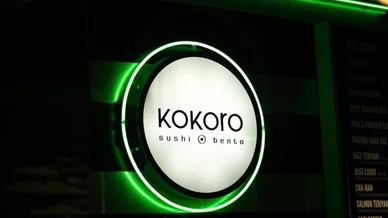
Kokoro Sushi was a Japanese restaurant located on Lower Liffey Street in the north side of Dublin’s city centre. Specialising in sushi, rolls and bento boxes, it became a popular spot for both local residents and visitors who were looking for a quick, affordable and fresh lunch option. After the COVID-19 lockdowns the restaurant closed and did not reopen, leaving many former customers nostalgic for its convenient and reasonably priced meals.
First Location
The original Kokoro Sushi operated at 19 Lower Liffey Street, Dublin 1, Ireland in the North Inner City area, a central location that made the restaurant easily accessible to both locals and visitors. Its position within walking distance of the Jervis Shopping Centre, close to several public transport stops and surrounded by busy pedestrian streets, made Kokoro a convenient lunch option for anyone in the city centre. Although primarily designed for takeaway service, the compact space also offered a few seats for those who preferred to eat on the premises.
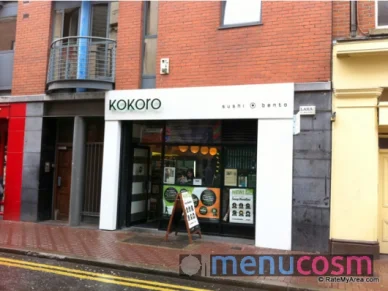
Kokoro, Japanese restaurant in Dublin City Centre
The restaurant was open Monday to Saturday from 11:00 to 19:00 and on Sundays from 12:00 to 18:00, a schedule that suited the steady flow of nearby office workers, shoppers and tourists.
Expansion to South William Street
Success led to expansion with a second, larger branch at 51 South William Street in Dublin's trendy creative quarter. This location served a different demographic—young professionals, students, and creative workers in the South Inner City area who appreciated the restaurant's budget-friendly approach.
The new Kokoro Sushi spot offered several improvements over the original:
- Significantly increased seating capacity with brighter, fresher atmosphere;
- Expanded hot food menu including ramen bowls (around €11.50);
- Chicken katsu curry plates (€9);
- Fusion appetizers not available at Liffey Street;
- Ability to customize sushi selections by choosing individual wrapped pieces.
Reviews consistently praised the friendly, enthusiastic staff and the flexible ordering system.
Closure After COVID-19 Lockdown
Kokoro Sushi closed shortly after lockdown restrictions ended in 2021-2022. The restaurant initially seemed to be weathering the pandemic challenges, maintaining its reputation through the difficult period.
Factors contributing to closure included:
- Reduced foot traffic in city centre post-lockdown
- Changing consumer habits (more remote work, fewer office lunches)
- Economic pressures on small hospitality businesses
- Rising operational costs during recovery period
The closure disappointed the local community, with former regulars expressing sadness on review sites and social media. Many customers who had relied on Kokoro for affordable, quick Japanese meals began searching for alternatives, though few matched the combination of price, quality, and convenience that made the restaurant special.
Kokoro Menu
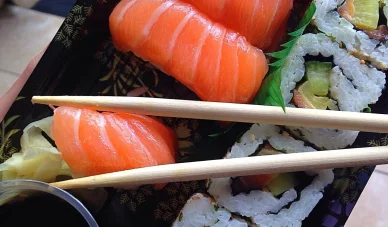
Sushi at the Kokoro Sushi and Bento restaurant.
Sushi Selection
Kokoro Sushi offered a diverse range of classic and creative sushi rolls: simple maki, various nigiri styles, sashimi and unique combinations like tuna with corn or salmon with dill. Key features of their sushi selection included the use of fresh fish such as salmon and tuna, a variety of vegetarian options, and the ability to buy individual pieces rather than fixed sets, with all sushi prepared fresh daily using local suppliers and premium rice.
The main items on the menu included maki rolls with fillings such as vegetables, salmon, avocado and tuna, priced around €3.95–€5, nigiri varieties like salmon, tuna, octopus and tamago for approximately €1.95–€2.45, and sashimi options including salmon, tuna and yellowtail starting at about €5.
Bento Boxes and Hot Food
Bento boxes were particularly popular among customers at sushi Dublin Kokoro—these were complete lunch sets with varied contents:
- Kokoro Sushi Bento — daily selected sushi, futomaki rolls, salad, seasoned rice and miso soup (€6.95).
- Omega 3 Salmon Bento — superior salmon sushi, salmon and vegetable rolls, salad and edamame (€6.95).
- Heart and Soul Bento — tuna and salmon sushi, salmon sashimi and crabmeat maki (€8.95).
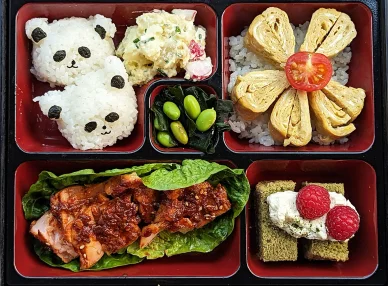
Show Your Love with our Bento Box Lunch Ideas — Miso Tasty
Hot food options included:
- Chicken katsu curry (€5.95)
- Beef teriyaki (€5.95)
- Chicken yakisoba (€5.95)
- Tofu pumpkin curry for vegetarians (€5.95)
Many customers focused primarily on the sushi, though hot dishes received consistently positive reviews for flavor and value.
Besides rolls and bento boxes, Kokoro Sushi offered onigiri—traditional Japanese rice balls with various fillings.
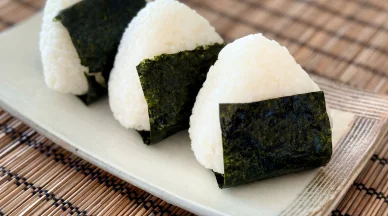
Onigiri (Rice Ball)
Pricing and Value
Regular Menu Prices
Kokoro sushi maintained an exceptionally affordable pricing structure that set it apart in Dublin's competitive restaurant scene. Here's how their prices compared:
Item Category | Kokoro Sushi Price | Typical Dublin Price |
Individual maki roll | €3.95 – €5 | €8 – €12 |
Nigiri (2 pieces) | €1.95 – €2.45 | €4 – €6 |
Bento box (full meal) | €6.95 – €8.95 | €12 – €18 |
The value proposition was clear for budget-conscious diners:
- Complete lunch under €10 with drink included
- Individual pieces allowed customization without waste
- Combination deals offered variety without premium pricing
- Quality ingredients despite lower prices
Where other Dublin sushi restaurants charged €12 for a single roll, Kokoro offered complete meals for less, making Japanese cuisine accessible to students and workers on tight budgets.
Famous Half-Price Closing Time Deals
The legendary half-price bento box deals became Kokoro's signature attraction and built much of its cult following. The promotion worked like this:
- Weekdays: 50% off all sushi 30 minutes before 7pm closing (starting around 6:30pm)
- Sundays: 50% off starting around 5:30pm before 6pm closing
This incredible value attracted strategic customers who planned their schedules around these deals. A €8.95 bento box became just €4.48, and individual sushi pieces dropped to under €1. Regular customers formed a community around these late deals, often bumping into the same faces evening after evening. The promotion served dual purposes: reducing food waste while building fierce customer loyalty.
Customer Experience and Atmosphere
Interior and Seating
Both Kokoro locations featured casual, no-frills interiors designed primarily for quick takeaway service. The original Lower Liffey Street spot was compact with limited seating—perhaps 6-8 seats along a counter.
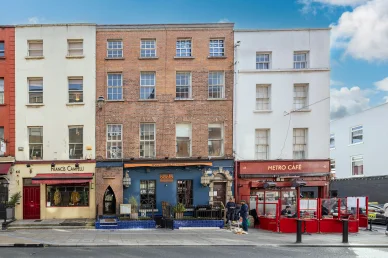
William Street South (South William Street)
The South William Street location offered significantly more space:
- Approximately 20-25 seats in a brighter, more modern setting
- Still maintained efficient takeaway-focused layout
- Display cases visible from entrance showing fresh sushi selection
- Simple Japanese-inspired décor without elaborate design
The atmosphere emphasized efficiency over ambiance—clean, functional spaces where food quality spoke for itself.
Service Style
Kokoro operated on a streamlined counter-service model that maximized turnover and kept prices low, with customers placing their orders at the counter or selecting pre-made items from refrigerated display cases, while hot dishes were prepared to order within five to ten minutes and pre-packaged sushi could be taken immediately for a quick grab-and-go option; payment was handled at the counter, with only minimal table service provided for those choosing to eat in.
Staff became familiar with regular customers, often remembering preferences and exchanging friendly banter. The speed of service made it perfect for lunch breaks—most customers could be in and out within 15 minutes. Despite the quick format, staff maintained cheerful, helpful attitudes that contributed to the welcoming atmosphere.
Customer Base and Community
Kokoro attracted an remarkably diverse clientele united by appreciation for quality and value:
- Office workers grabbing quick lunches from nearby businesses
- Students maximizing limited budgets with filling, healthy meals
- Tourists seeking authentic Japanese food at reasonable prices
- Sushi enthusiasts who appreciated fresh fish and proper preparation
The restaurant built fierce loyalty through consistency—customers knew exactly what to expect every visit. This following became evident after closure, when Reddit threads filled with former customers sharing memories and desperately seeking equivalent alternatives. And just like people search the internet for everything from “online casino ireland” to last-minute lunch spots, Kokoro kept showing up in Dublin food discussions as the one place everyone missed. The community nostalgia reveals how Kokoro transcended simple food service to become a genuine part of people's daily routines and Dublin experiences.
Kokoro's Place in Dublin's Japanese Food Scene
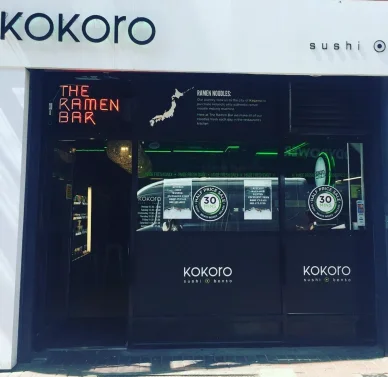
Front facade of Kokoro Sushi and Bento restaurant
Competitors and Alternatives
During its operation, Kokoro competed with several established Japanese restaurants in Dublin:
Restaurant | Price Range | Specialty | Key Difference from Kokoro |
Musashi | €€ | Traditional sushi, lunch sets | Sit-down focus, higher prices |
Yamamori | €€-€€€ | Full Japanese menu | Restaurant experience, €15+ mains |
Takara | €€ | Ramen, sushi | More extensive menu, slower service |
Tokyo Kitchen | €€ | Takeaway specialist | Similar price point, different location |
What made Kokoro sushi unique in this market:
- Lowest prices without sacrificing quality
- Fastest service for grab-and-go
- Strategic city centre locations
- Half-price closing deals unmatched by competitors
While competitors offered fuller restaurant experiences, Kokoro carved out a specific niche for quick, affordable, quality Japanese food that no one else adequately filled.
Impact on Dublin's Casual Dining
Kokoro fundamentally changed how Dubliners thought about sushi—transforming it from an occasional luxury into an affordable everyday option. Before Kokoro, quality sushi typically required €20+ spending at sit-down restaurants. By offering €7-9 complete meals, Kokoro made Japanese cuisine accessible to budget-conscious eaters who previously couldn't justify the expense.
This democratization influenced the broader market:
- Raised customer expectations for reasonable sushi pricing
- Encouraged other restaurants to offer competitive lunch deals
- Demonstrated viability of quality budget Japanese food
- Created customer base that now seeks similar value elsewhere
The restaurant proved that affordable didn't mean inferior, setting a standard that Dublin's Japanese food scene still struggles to match years after its closure.
After Kokoro: Where Dublin Locals Go Now
Supermarket Sushi Options
Since Kokoro's closure, many former customers turned to Dunnes Stores supermarket sushi as the most affordable alternative.
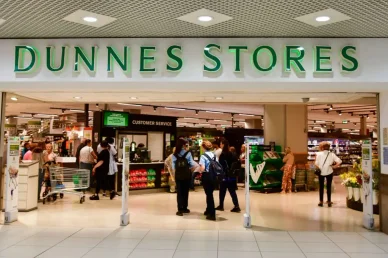
Dunnes Store Grocery
Key locations include:
- Dunnes ILAC Centre (Parnell Street, near old Kokoro location)
- Dunnes St. Stephen's Green Shopping Centre
What makes supermarket sushi viable:
- In-store sushi chefs prepare fresh selections daily (usually before 11am)
- Pricing: €3-6 for sushi packs, significantly cheaper than restaurants
- Free wasabi, pickled ginger, and soy sauce included
- Best quality early morning or just before lunch rush
- Selection depletes quickly—arrive before noon for full range
While not quite matching Kokoro's freshness and variety, Dunnes offers the closest price-to-quality ratio that former customers have found.
Alternative Budget-Friendly Restaurants
Reddit discussions among former Kokoro customers reveal several recommended alternatives:
Takara (various locations)
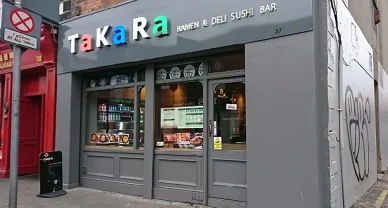
Exterior view of Takara and Bento restaurant entrance
- Reasonable prices with lunch specials
- Good quality ramen and sushi combinations
- €10-12 average spend
Musashi (Capel Street)
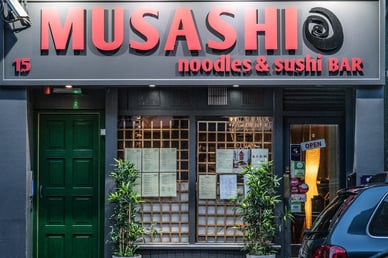
Exterior view of Musashi Japanese restaurant entrance.
- Lunch deals offering better value than dinner service
- Traditional preparation methods
- €12-15 for complete lunch
Tokyo Kitchen (Bow Lane, off Aungier Street)
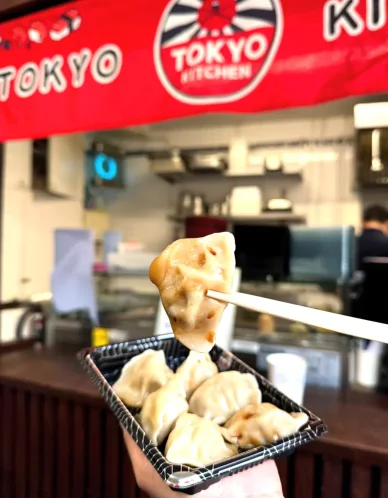
Street view of Tokyo Kitchen restaurant exterior
- Takeaway-only format similar to Kokoro
- Small, family-run operation
- €8-10 meals with generous portions
Maneki Tea Talk (South Great George's Street)
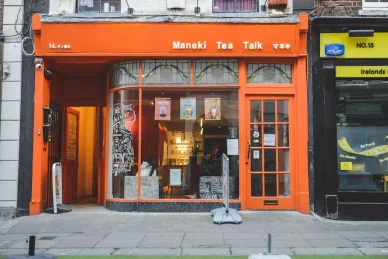
Maneki Tea Talk (South Great George's Street), Dublin
- Excellent onigiri selection
- Bubble tea and Japanese snacks
- €5-7 for filling onigiri meal
None perfectly replicate Kokoro's combination of speed, value, and quality, but each offers aspects that appeal to former customers.
Making Sushi at Home
Following Kokoro's closure, some dedicated fans began making sushi at home—a trend discussed extensively in Dublin food communities. The Asian markets near Jervis and Capel Street provide necessary ingredients:
Essential supplies available locally:
- Sushi-grade salmon and tuna (€15-20/kg)
- Japanese short-grain rice (€3-5/kg)
- Nori seaweed sheets (€4-6 per pack)
- Rice vinegar, wasabi, pickled ginger
Cost-effectiveness breakdown:
- Initial investment: €40-50 for basic equipment (bamboo mat, sharp knife, rice cooker)
- Per-meal cost: €3-5 for 2-3 rolls once proficient
- Learning curve: 3-4 attempts to achieve decent results
Tips from home sushi makers:
- Rice preparation is crucial—invest time learning proper technique
- Sharp knife makes enormous difference in presentation
- Start with simple maki before attempting nigiri
- Practice rice seasoning ratios to match restaurant flavor
While requiring effort, homemade sushi offers the only way to match Kokoro's value while controlling quality and freshness.
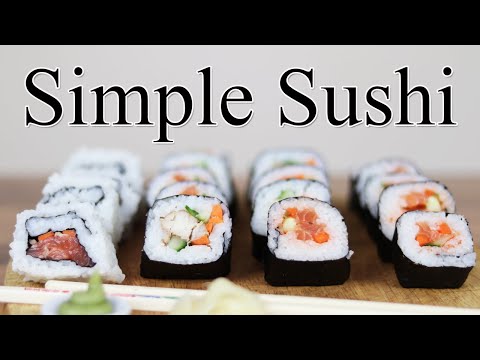
How to make Simple Sushi at home | step-by-step SUSHI recipe
Legacy and Memory
Years after its doors closed, Kokoro sushi remains a touchstone in Dublin food discussions—a standard by which affordable Japanese dining is still measured. The restaurant's lasting impact stems from what it represented: proof that quality, affordability, and convenience could coexist without compromise.
Reddit threads about Dublin sushi inevitably mention Kokoro with genuine nostalgia. Former customers don't just miss the food—they miss the reliability of knowing exactly where to get a €7 lunch that was fresh, filling, and delicious. The half-price closing deals created shared experiences that bonded strangers into a community of bargain hunters who understood the value of timing.
What made Kokoro truly special:
- Genuine quality ingredients at budget prices
- Consistent preparation day after day
- Strategic locations serving city workers and students
- Staff who created welcoming atmosphere despite quick-service format
- Business model that prioritized accessibility over maximum profit
The continued search for "the next Kokoro" reveals an unfilled gap in Dublin's food scene. While new Japanese restaurants open regularly, none have replicated Kokoro's unique formula. Its closure during the pandemic represents more than one restaurant's loss—it marks the end of an era when quality Japanese food was genuinely accessible to everyone in Dublin, regardless of budget. That accessibility, more than anything, defines Kokoro's enduring legacy and explains why, years later, people still gather online to reminisce about their favorite budget sushi spot.